10 Night Sky Events to See in October 2025 – From a Supermoon to Multiple Meteor Showers
October skies never disappoint. This month, the cosmos is putting on a show—from glowing supermoons to planets playing tag in the twilight. Whether you’re stargazing from a quiet hilltop or a city balcony, there’s magic waiting above.
Here are 10 celestial events you’ll want to mark on your calendar—and tips on when and where to look up. For the best experience, download one of these space apps to help you locate planets, constellations, and deep-sky wonders based on your location.
Andromeda Galaxy at Its Best – October 1

On the night of October 1, the Andromeda Galaxy—our nearest spiral galactic neighbor—will reach its highest point in the sky around midnight, making it an ideal time to observe this stunning cosmic island.
Located in the constellation Andromeda, this galaxy spans over 220,000 light-years and contains a trillion stars. It shines at a magnitude of +3.4, just bright enough to be spotted with the naked eye under dark, unpolluted skies, especially from locations in the Northern Hemisphere. The galaxy will rise in the east around sunset and set in the west at dawn. Viewers south of 28°S, however, may struggle to catch a glimpse due to its low position in the sky.
Tip: Allow your eyes at least 20 minutes to adjust to the darkness, and use a stargazing app to help locate it.
The Moon Meets Saturn – October 6
On the evening of October 5-6, a near-full Moon will pass close to the planet Saturn in the constellation Pisces. This elegant pairing will be visible throughout the night, rising in the east after sunset.

The Moon will appear close to Saturn on October 5 and 6, depending on your location.
Saturn is still near its peak brightness after reaching opposition on September 21, making this a perfect time to spot its golden hue—even from light-polluted skies. Through a telescope, its iconic rings may be visible, though they’re currently tilted nearly edge-on.
First Supermoon of the Year – October 7
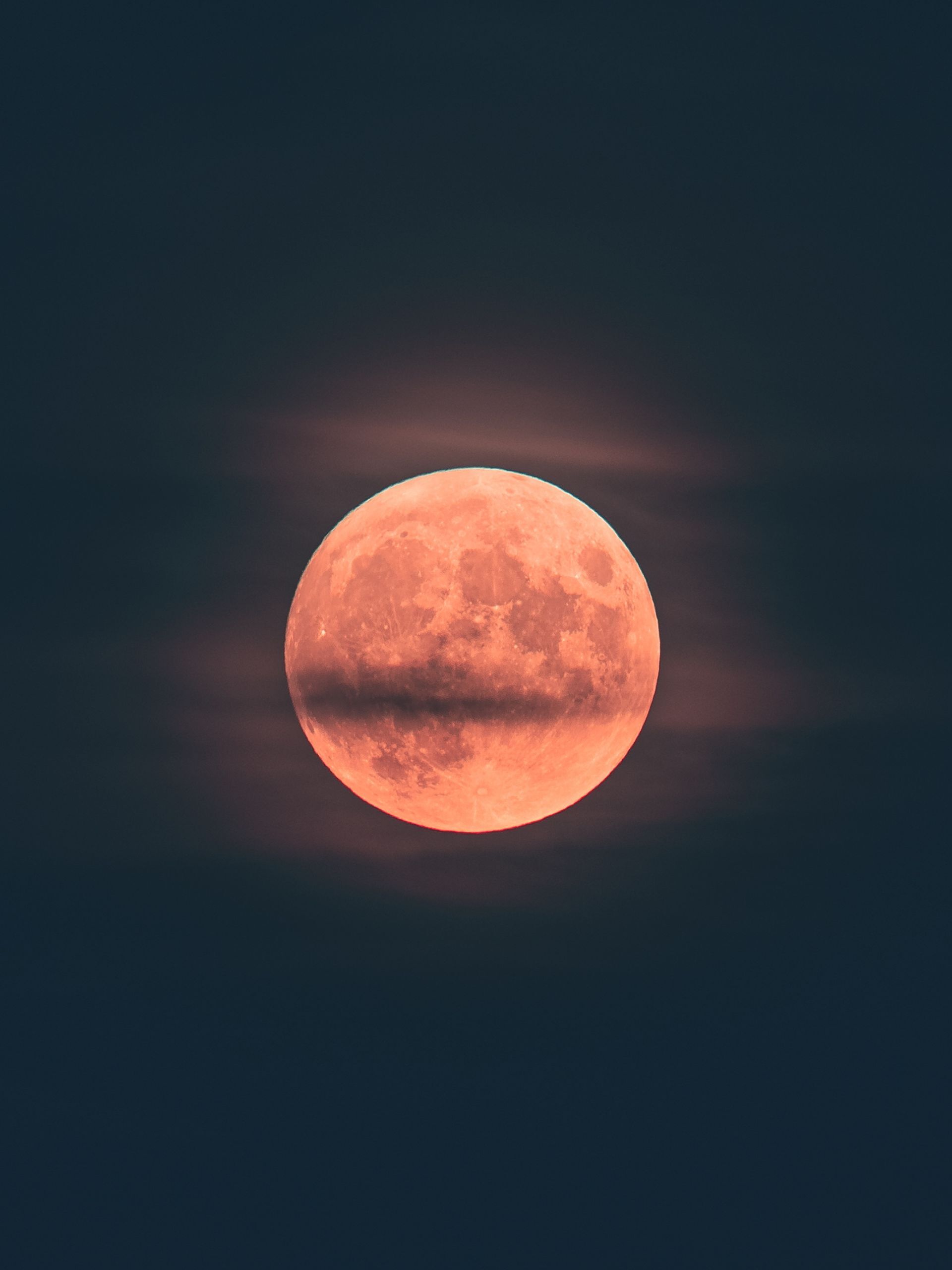
October 7 brings the first supermoon of 2025, known as the Hunter’s Moon. A supermoon occurs when a full moon coincides with the Moon’s closest approach to Earth—called perigee—making it appear up to 14% larger and 30% brighter than a micromoon.
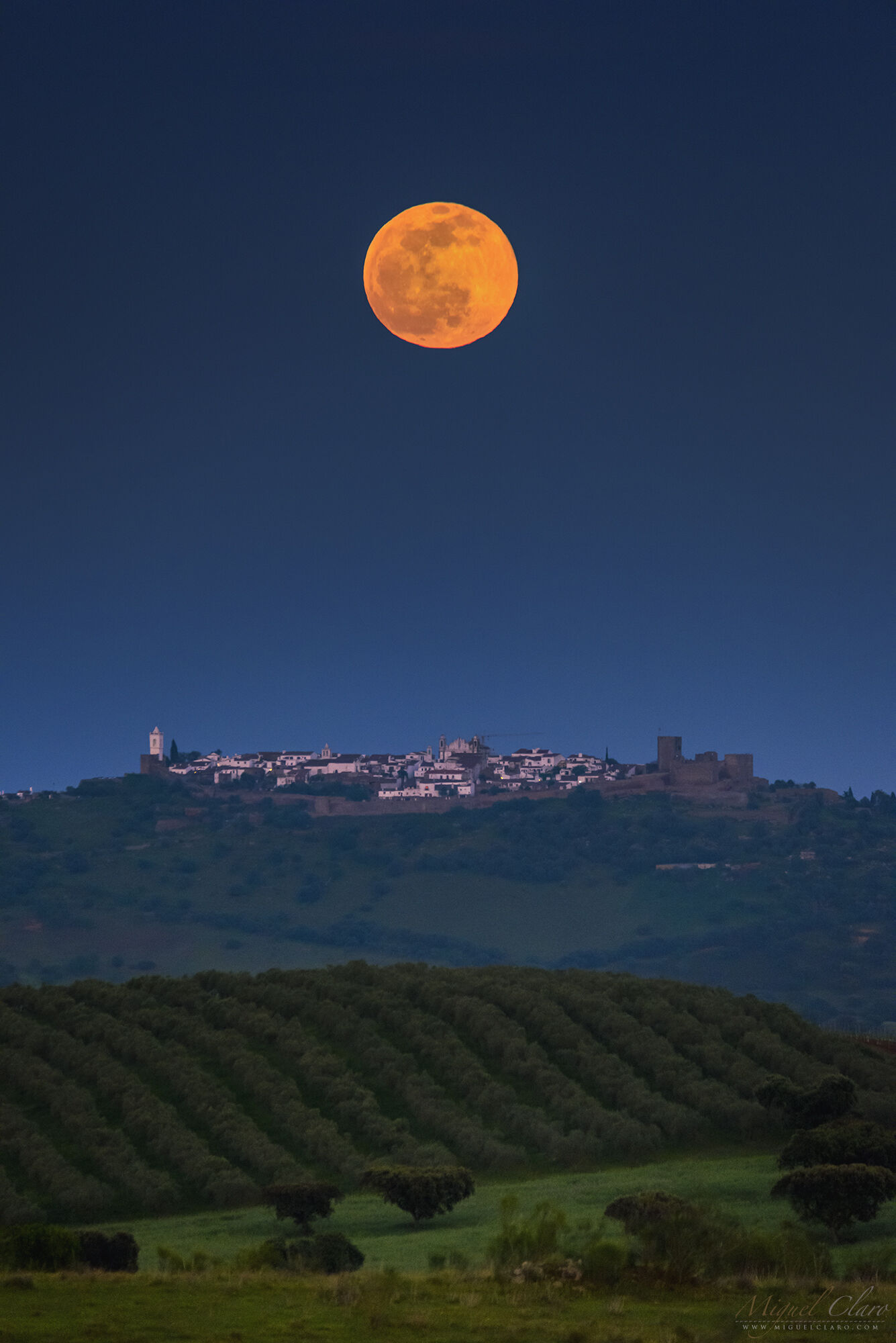
This is the first of three upcoming supermoons this year, and it’s visible worldwide. Watch as it rises in the east around sunset, glowing larger than usual and painting the night sky with a luminous silver light.
Draconid Meteor Shower Peaks – October 8
The Draconid meteor shower will reach its peak on the evening of October 8, though it remains active from October 6–10. The radiant—the point from which the meteors appear to originate—lies in the constellation Draco, near the head of the dragon.

The radiant of the Draconids
Unlike most showers, the Draconids are best viewed just after sunset until midnight, making it perfect for early-night observers. Expect a handful of slow-moving, bright meteors—possibly more if Earth passes through a dense debris trail.
The Moon Meets the Pleiades – October 10
In the late hours of October 10, the 19-day-old Moon will pass within just 1 degree of the Pleiades star cluster in the constellation Taurus. Known as the Seven Sisters, the Pleiades is one of the most beloved and recognizable star clusters in the night sky.

With an apparent magnitude of 1.3, it’s easily visible to the naked eye, though binoculars will enhance the view dramatically—especially with the Moon so close.
The Moon Meets Jupiter and Gemini Twins – October 15
After midnight on October 15, the waning Moon will rise alongside Jupiter and the twin stars Castor and Pollux of Gemini. This celestial grouping will climb higher until dawn, eventually approaching the zenith—perfect for telescopic viewing.

Looking east on the night of October 14-15 (after midnight)
Jupiter will shine brightly, and if you look closely through binoculars or a small telescope, you might catch sight of its four largest moons: Io, Europa, Ganymede, and Callisto.
The Moon Meets Venus – October 19
Look toward the eastern sky just before sunrise on October 19, and you’ll witness a beautiful pairing: the crescent Moon and the brilliant Venus, shining together in the constellation Virgo.

Venus—known as the “Morning Star”—will appear unmistakably bright, with the thin crescent Moon adding a serene touch to the dawn. This is a perfect photo opportunity for astrophotographers.
Mercury and Mars Conjunction – October 21
On the evening of October 21, two of our solar system’s smallest planets—Mercury and Mars—will appear extremely close together in the western sky after sunset.

Both planets are faint and close to the horizon, so you’ll need clear, unobstructed views of the west to spot them. A pair of binoculars will help, but act fast—the planets will set within an hour after sunset.
Orionid Meteor Shower Peaks – October 21–22
While the Draconids offer an early-month treat, the Orionids are one of the most reliable meteor showers of the fall. Caused by debris from Halley’s Comet, the Orionids peak between October 21 and 22.

The radiant of the Orionids
Expect 15–20 meteors per hour in dark skies. The radiant lies near the Orion constellation, which rises after midnight, making the best viewing time the pre-dawn hours.
The Moon Meets Antares – October 25

Just after sunset on October 25, look to the western horizon to catch a beautiful pairing: the 4-day-old waxing crescent Moon nestled close to Antares, the brightest star in the constellation Scorpius.
Antares is a glowing red supergiant, easily mistaken for Mars thanks to its deep orange hue. The two celestial bodies will appear low in the sky, so choose a spot with an unobstructed western view to catch this fleeting show.
This evening also marks one of the final chances to spot Antares for the season, as Scorpius gradually slips into the Sun’s glare in the coming weeks.
Bonus: Comet C/2025 A6 (LEMMON) Brightens – All Month
Comet watchers, take note—Comet C/2025 A6 (LEMMON) is slowly putting on a show in the early morning sky. Discovered in January 2025 by the Mount Lemmon Survey, this icy visitor from the outer solar system is now brightening faster than expected.

Comet C/2025 A6 (Lemmon) on 24 September 2025, in the constellation of Lynx; ring galaxy IIHz4 is visible to the bottom.
Currently shining at around magnitude 8 or 9, it's already visible through binoculars and small telescopes, especially under dark skies. The comet has developed a delicate tail, clearly visible in long-exposure photos. As it drifts through the constellation Lynx, look for it roughly between bright Jupiter and the stars of the Big Dipper in the hours before dawn.
If the brightening trend continues, C/2025 A6 may reach naked-eye visibility by the end of October, peaking at magnitude +3 or brighter—a rare treat for comet enthusiasts. However, as with all comets, nothing is guaranteed. They're known for surprising (and sometimes disappointing) skywatchers.
To find it, use a stargazing app or smart telescope, and look east before sunrise. Even basic DSLR setups have captured it already—so if you’re into astrophotography, this is your moment.
October 2025 – Planet Round-Up
Mercury
Mercury lingers low in the western dusk sky, just above the horizon. You’ll need clear views and twilight timing to spot this elusive inner planet before it slips away.
Venus
The brilliant "Morning Star" continues to dominate the predawn eastern sky, shining as the brightest object apart from the Moon. It's impossible to miss.
Mars
Mars remains hidden in the Sun’s glare for most of the month and won’t be visible to the naked eye. It will return to the morning sky in the months to come.
Jupiter
Jupiter rises in the east around midnight and shines brightly throughout the early morning hours. It's a perfect time to catch its four Galilean moons with a pair of binoculars.
Saturn
Still glowing near its peak brightness, Saturn is visible all night long, hanging near the constellation Pisces. A telescope reveals its famous rings, though now tilted nearly edge-on.
Uranus
Uranus lies close to the Pleiades star cluster in Taurus and becomes visible shortly after sunset. While it’s just beyond naked-eye visibility, binoculars will help you find its faint bluish glow.
Neptune
Having reached opposition last month, Neptune remains well-placed for telescopic viewing. You’ll find it near Saturn, though much dimmer—appearing as a tiny, distant blue dot.