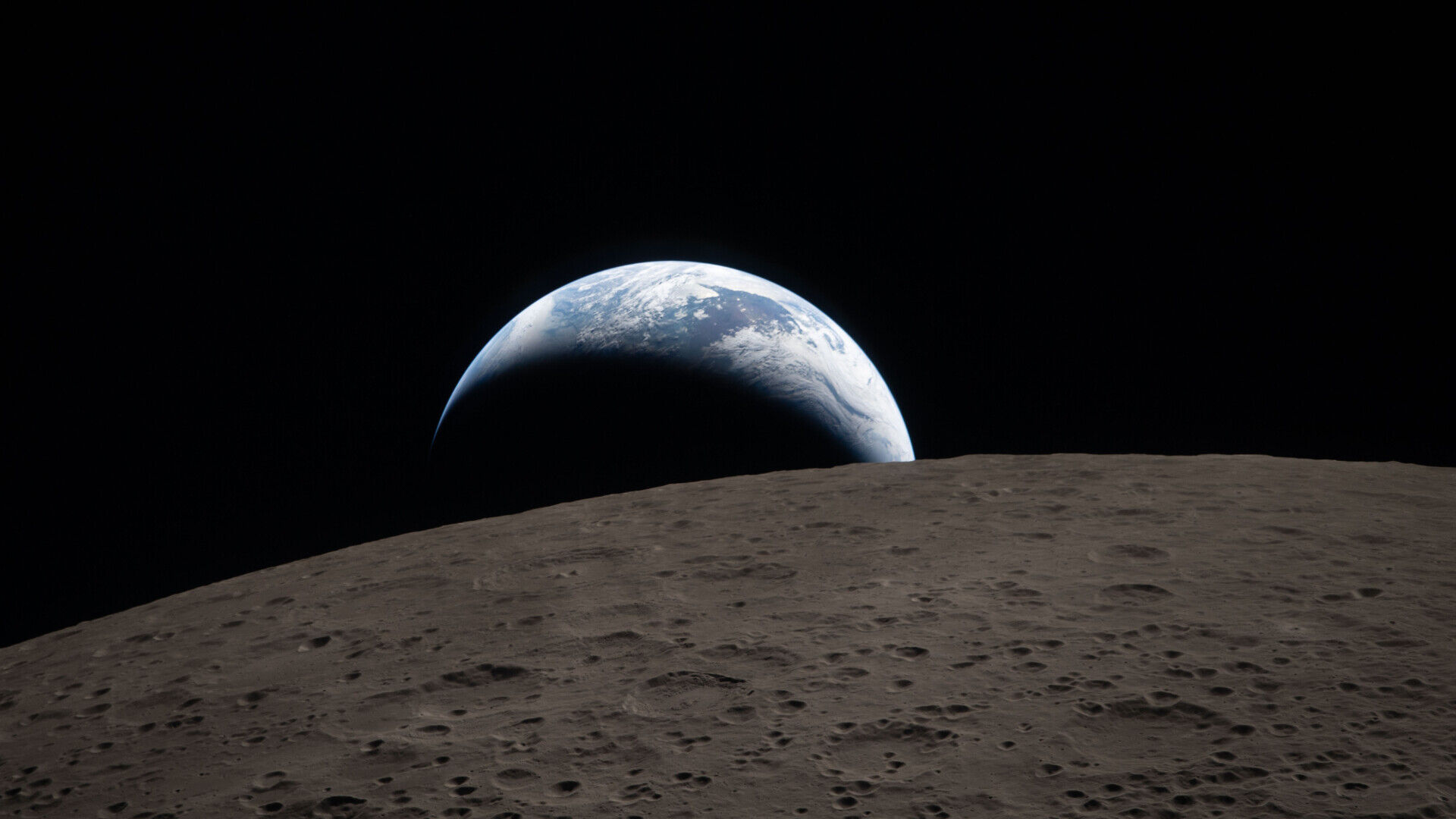
NASA’s Artemis II Mission in 25 Incredible Images
On April 1, 2026, humanity took its most ambitious step toward the Moon in over half a century. With the launch of NASA’s Artemis II mission, a new era of human space exploration officially began—marking the first crewed journey around the Moon since the days of Apollo program.
What followed was not just a mission, but a visual story of our return to deep space. From breathtaking views of Earth rising beyond the lunar horizon to intimate moments aboard the spacecraft, these are the 25 most stunning images from Artemis II—capturing the technology, the journey, and the human spirit driving us back to the Moon.
Off They Went!
The journey begins with a thunderous liftoff, as the rocket pierces through Earth’s atmosphere carrying humanity’s return to deep space. In just minutes, decades of preparation turn into motion. This is where Artemis II truly begins.
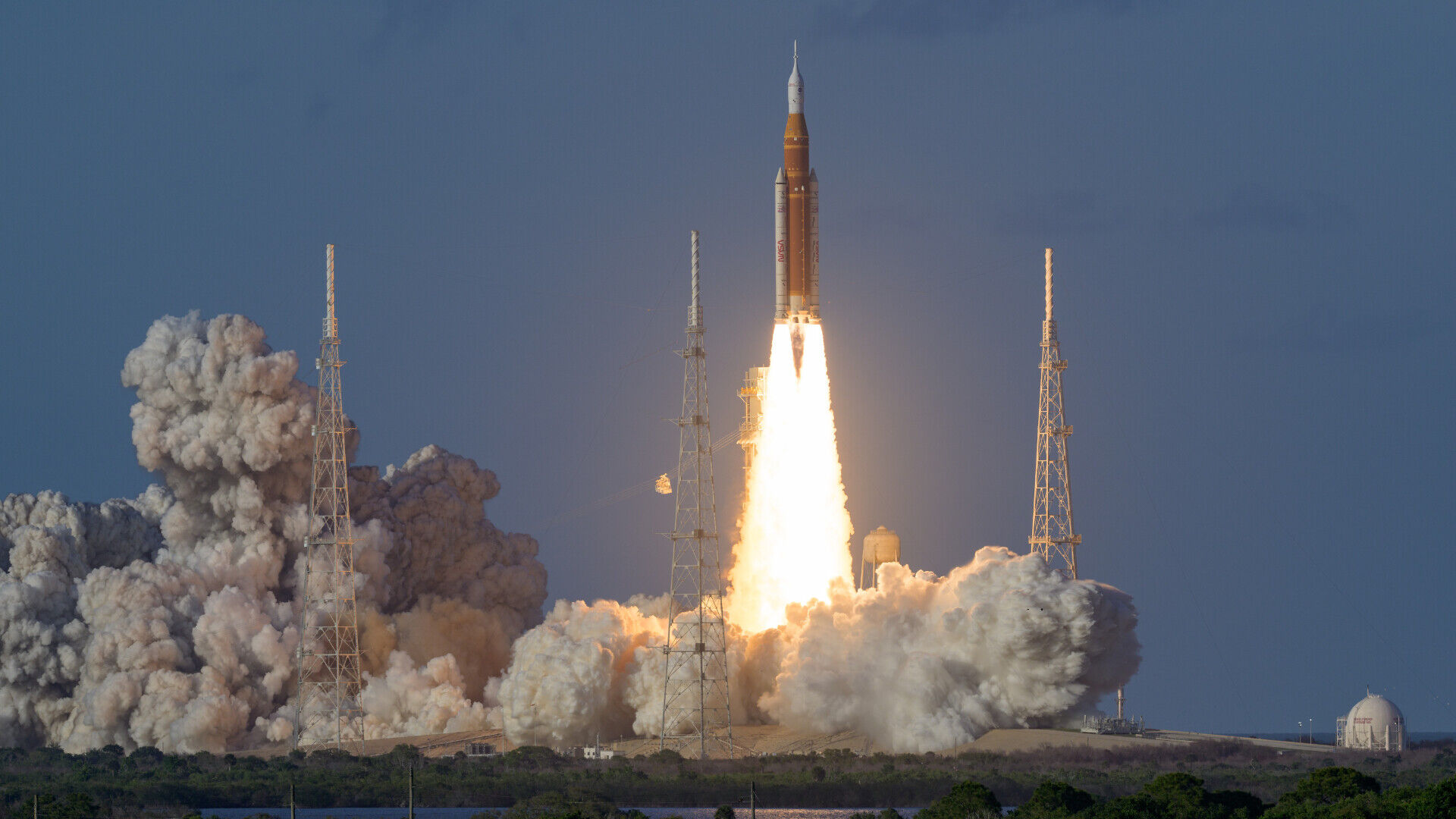
Artemis II: Humanity's Return to the Moon. NASA's Space Launch System rocket carrying the Orion spacecraft lifts off on the Artemis II mission from Kennedy Space Center, Florida, on April 1, 2026 — sending four astronauts on a 10-day journey around the Moon for the first time in over 50 years. Aboard are Commander Reid Wiseman, Pilot Victor Glover, and Mission Specialists Christina Koch and Canada's Jeremy Hansen.
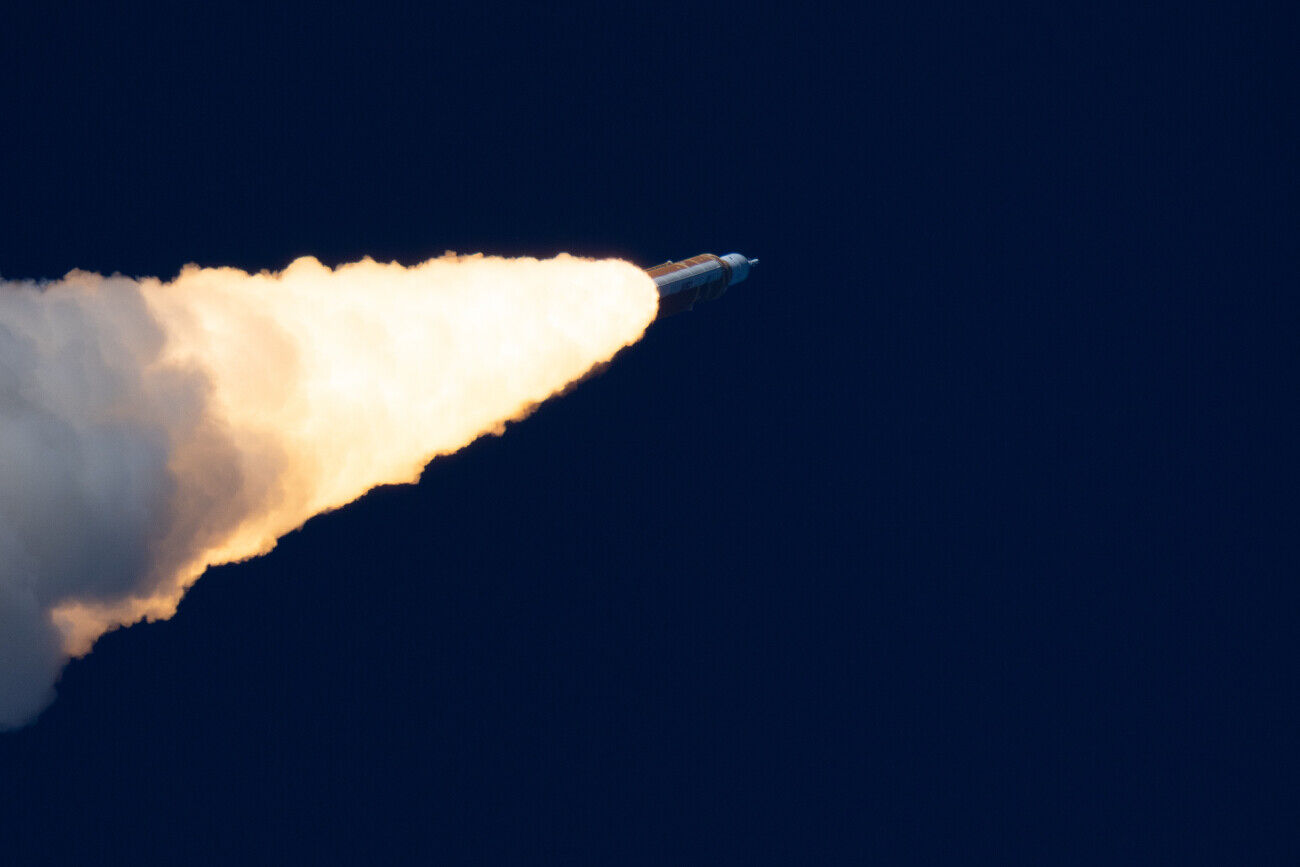
Launch plume. NASA's Space Launch System rocket leaves an expanding trail of smoke and exhaust flames, against a deep blue sky as it carries the Orion spacecraft and four Artemis II astronauts toward the Moon, on April 1, 2026.
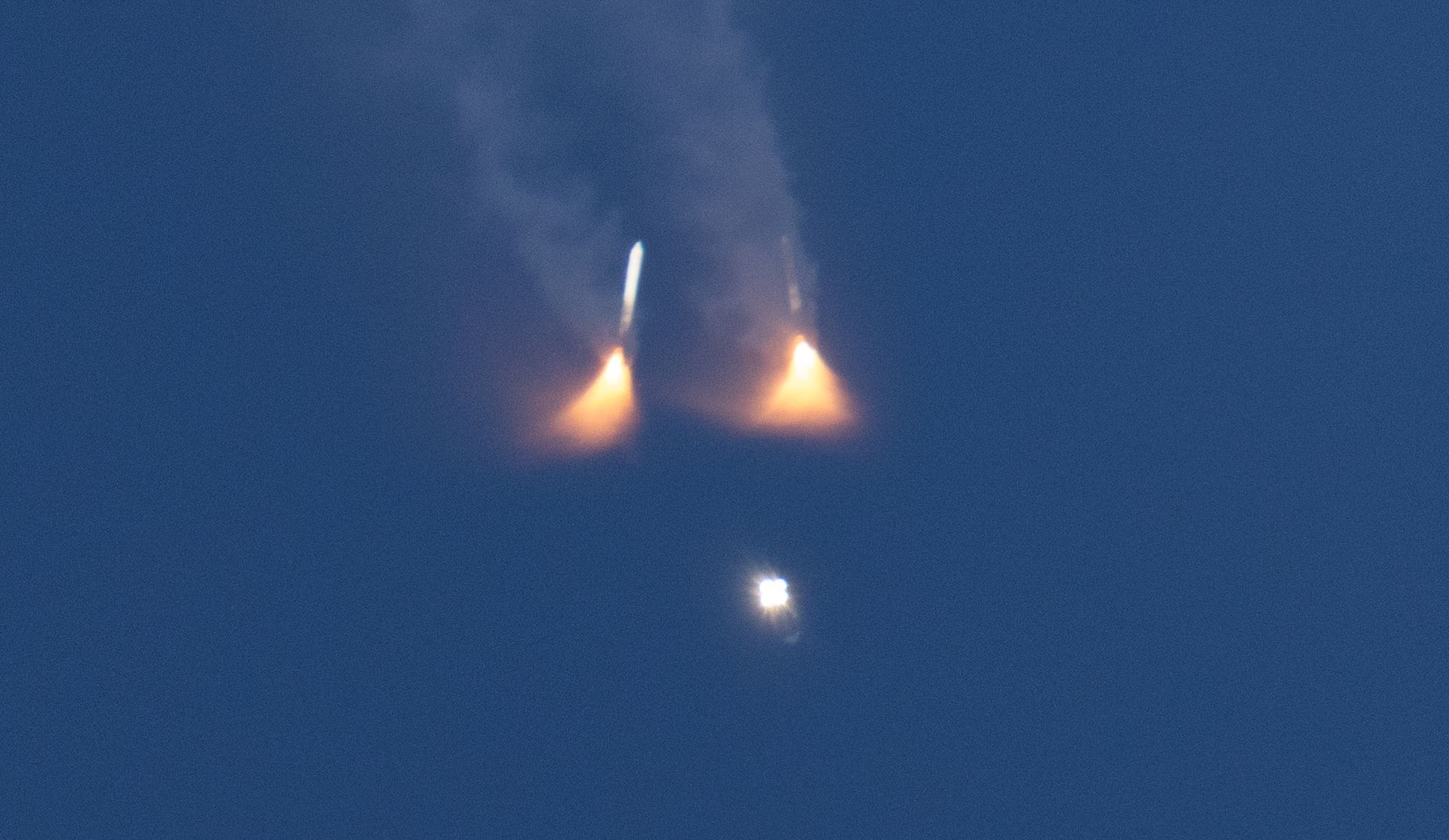
Booster Separation. NASA's Space Launch System rocket sheds its solid rocket boosters as it powers toward orbit carrying the Orion spacecraft and four Artemis II astronauts. The boosters are seen falling away after separation from the rocket.
Bye Bye, Earth
As the spacecraft drifts farther away, Earth slowly shrinks into a glowing blue sphere against the blackness of space. Continents blur, oceans merge, and home becomes just another world. It’s a view that changes how you see everything.
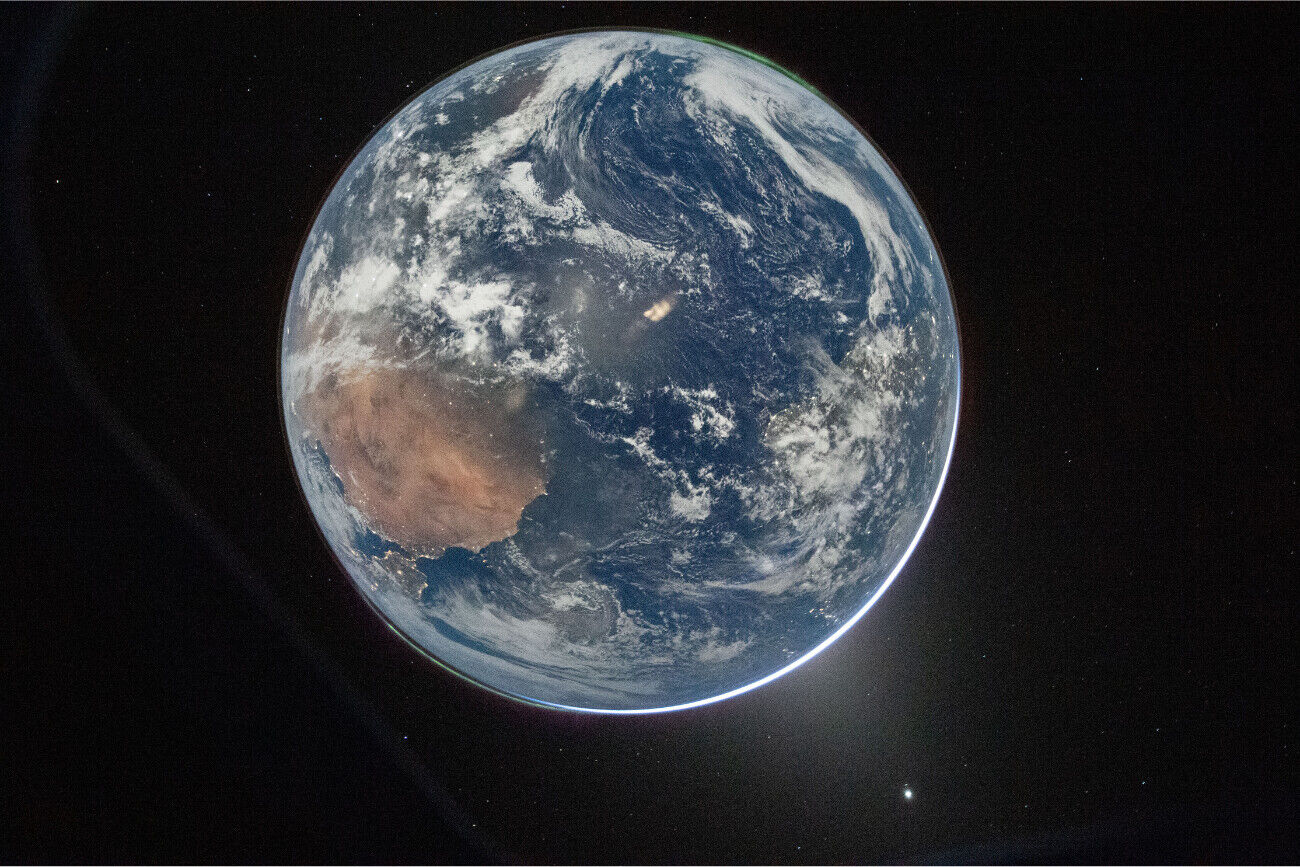
The iconic night-time Earth. This image was taken on April 2, by one of the crew members of Artemis II mission from one of the Orion spacecraft’s windows after completing the translunar injection burn. This breathtaking image showcases two fascinating phenomena: two auroras at top right bottom left as thin green arcs, and zodiacal light (conical brightness) at the bottom right of the image. The image has also captured Venus, seen at the bottom right.
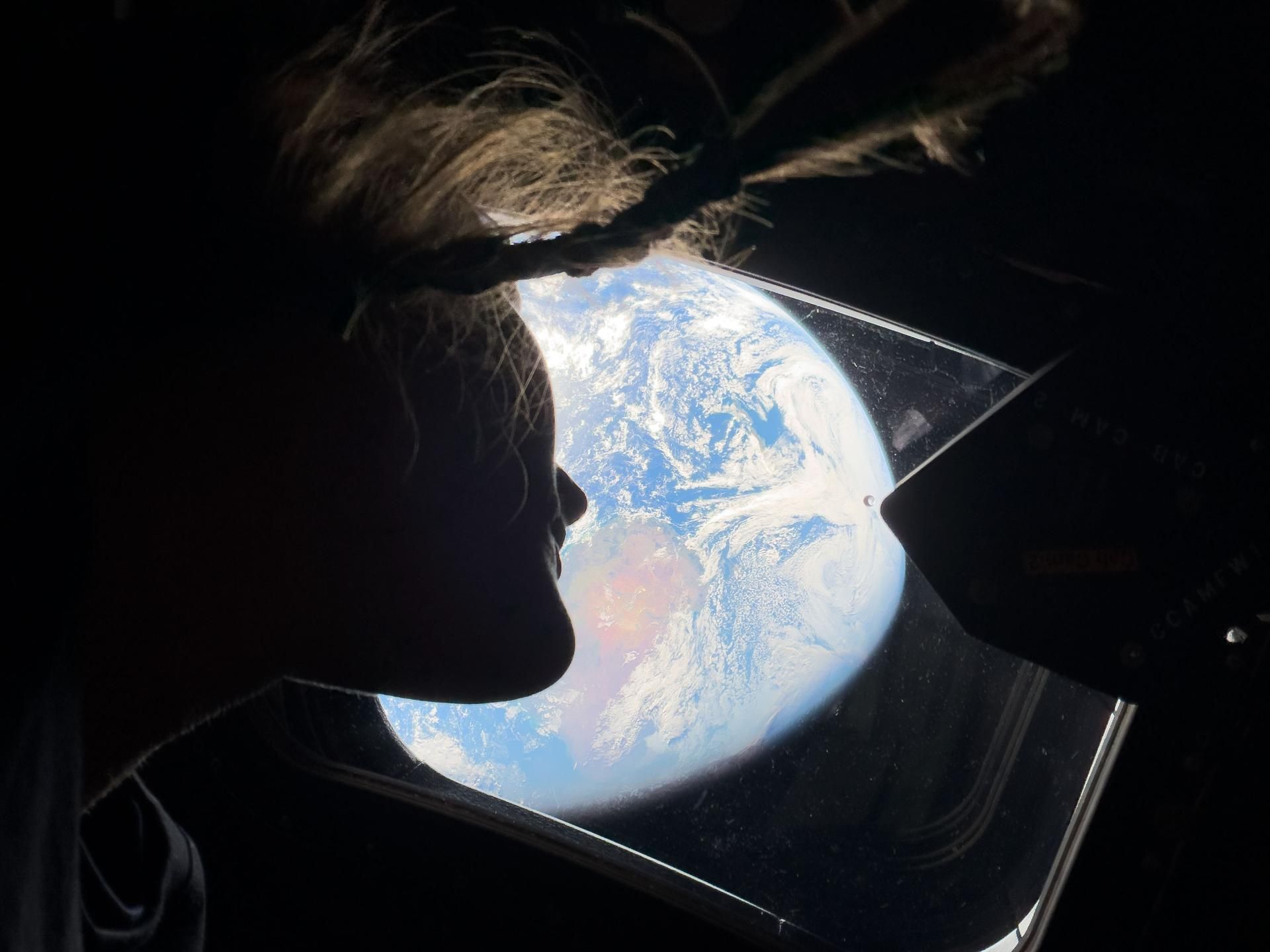
Home. Artemis II astronaut and mission specialist Christina Koch looks at back Earth from one of the windows of the Orion spacecraft as it heads toward the Moon. This amazing photograph was taken on April 2, 2026.
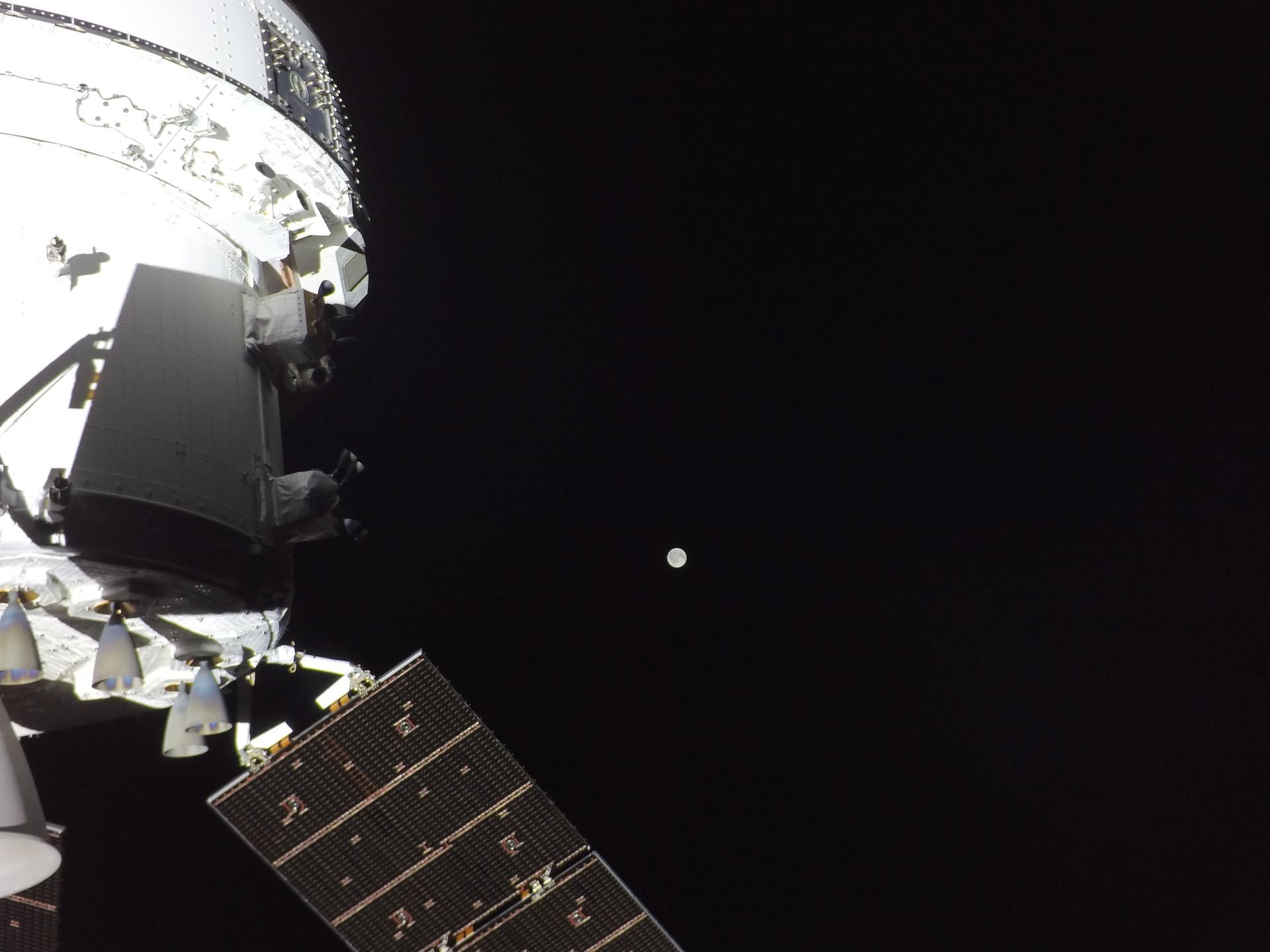
En route to the Moon. This photo, taken on April 3, 2026, shows the Orion spacecraft with the Moon that appears as a perfect white dot at a distance. This photo was captured by a camera on the tip of one of spacecraft's solar array wings.

A new perspective. Taken on April 3, 2026, this stunning wide view showcases a crescent Earth set against the darkness of space. This was exactly what Artemis II crew members saw from the spacecraft window as they journeyed toward the Moon.
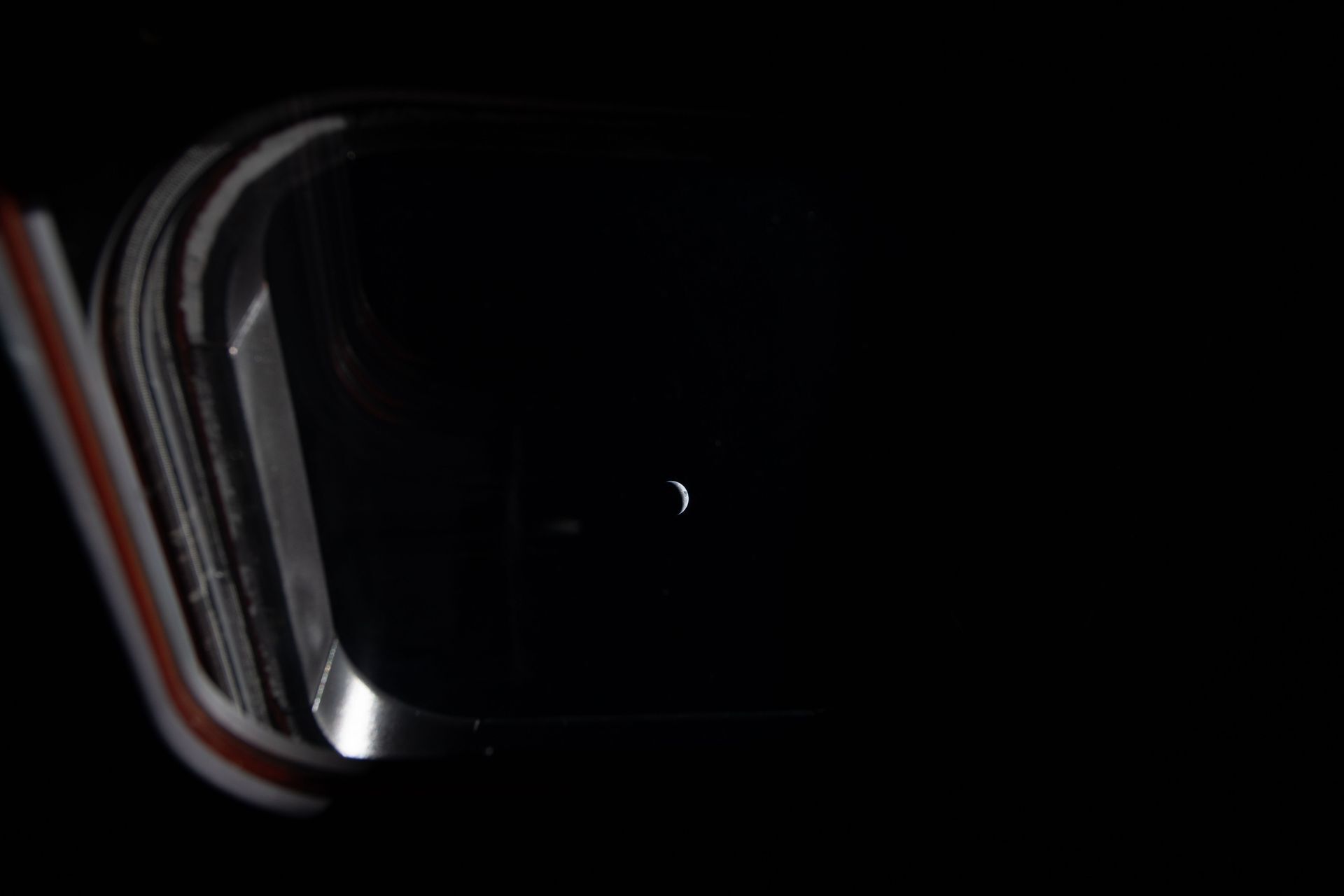
Earth grows smaller. On April 5, 2026, this is how our home appeared to the astronauts onboard the Orion spacecraft. The crew was one day closer to the Moon.
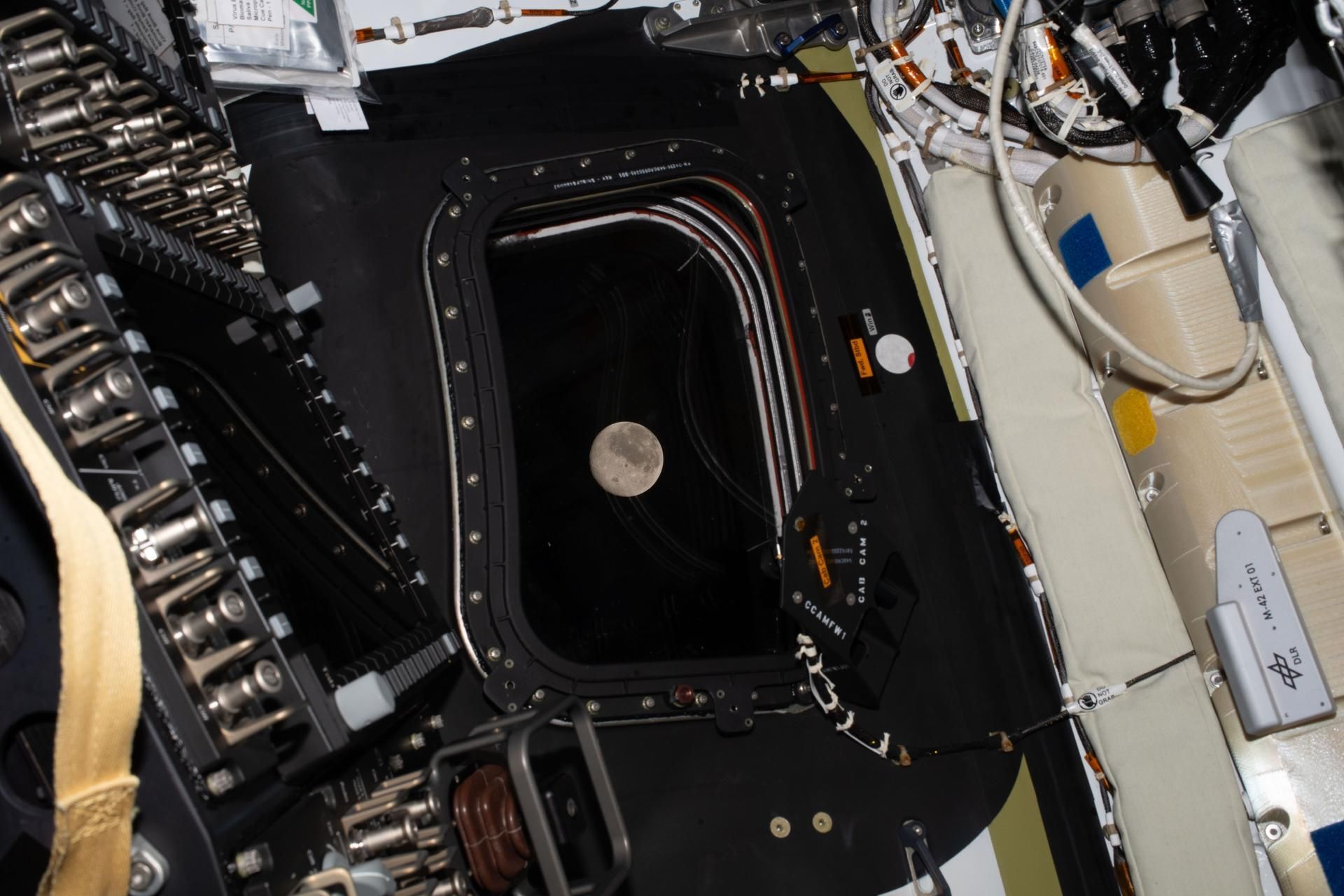
Falling to the Moon. Before signing off on flight day 5, the crew captured this close-up of the Moon from the Orion spacecraft window just hours after the Orion spacecraft and four astronauts entered the lunar sphere of influence on April 6th, 2026. This milestone marked the point which the Moon's gravity had a stronger pull on the spacecraft than the Earth's.
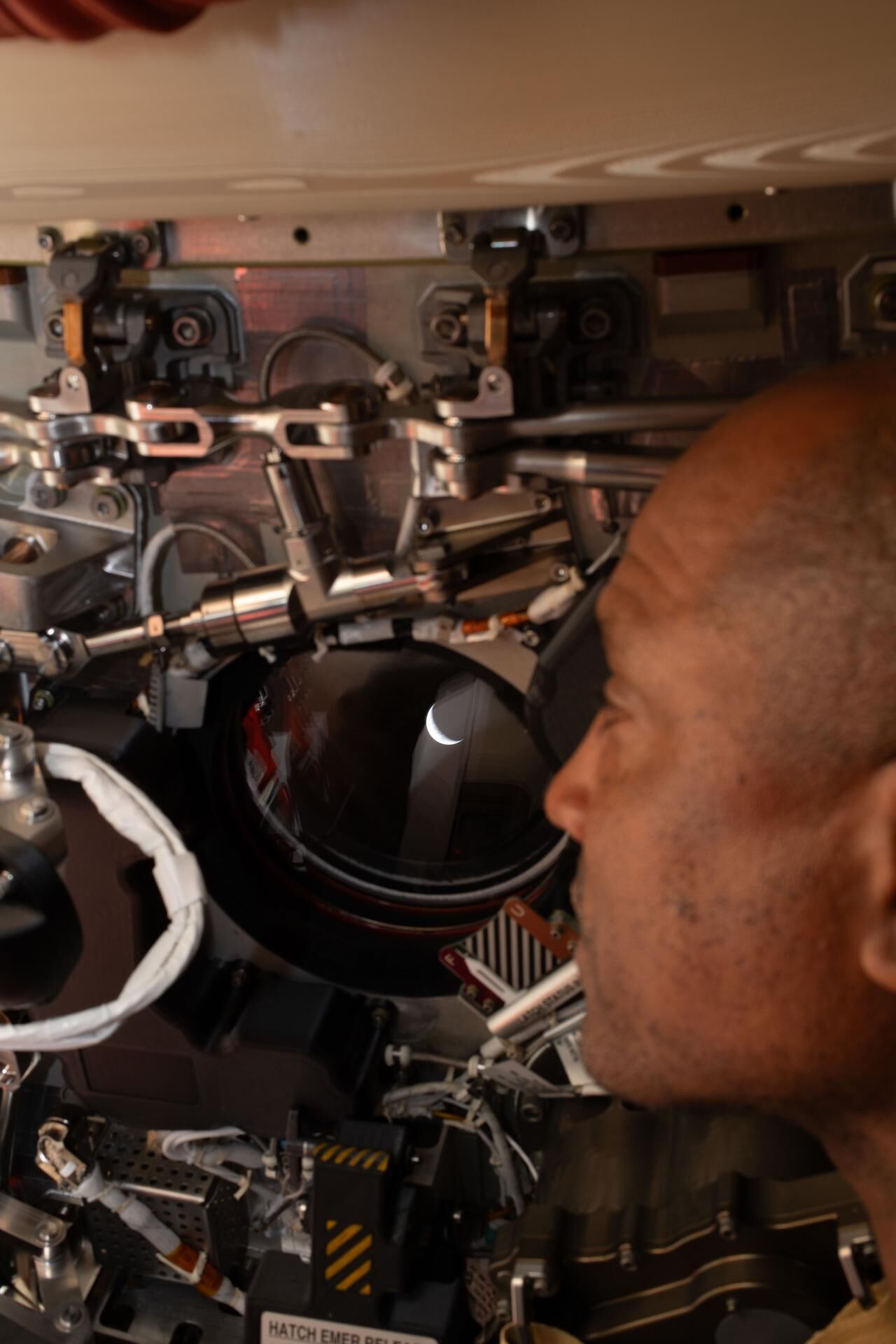
A look back at home. NASA astronaut and Artemis II Pilot Victor Glover gazes back at Earth from the Orion spacecraft window, April 6, 2026 — just hours before the crew swung around the Moon on their historic lunar flyby.
Swinging By The Moon
The spacecraft arcs gracefully around the Moon, using its gravity to slingshot deeper into space. Craters, shadows, and the stark lunar landscape come into sharp focus. For the crew, this is the closest humanity has been to the Moon in over 50 years.
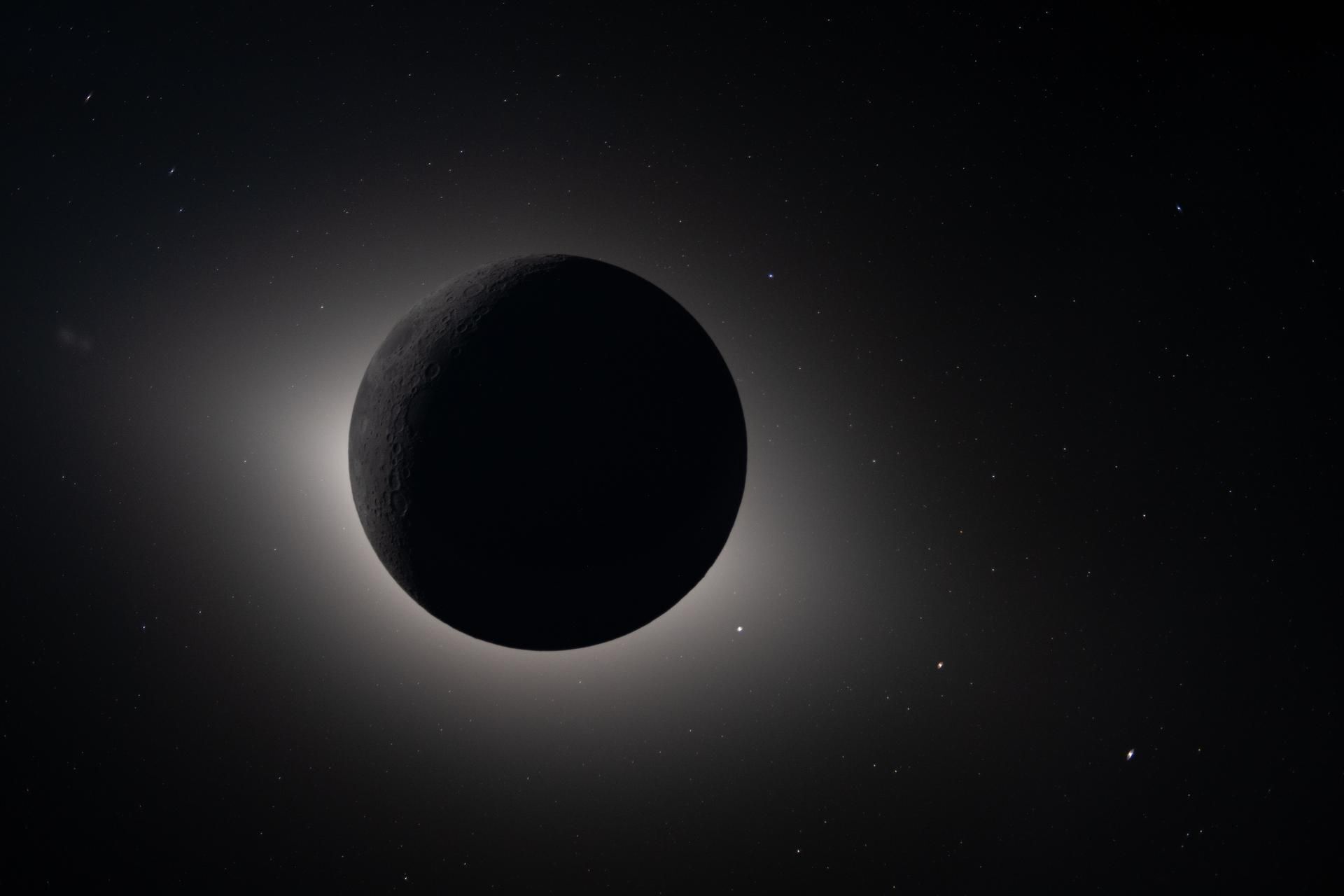
Total Solar Eclipse from the Moon. The Artemis II crew witnessed something no human has ever seen: the Moon fully eclipsing the Sun from deep space. From the crew’s perspective, the Moon appears large enough to completely block the Sun. This resulted in a glowing corona around the dark lunar disk for nearly 54 minutes of totality. Many stars are visible in the image. Earth's reflected light faintly illuminates the lunar surface. This stunning view was captured on April 6, 2026.
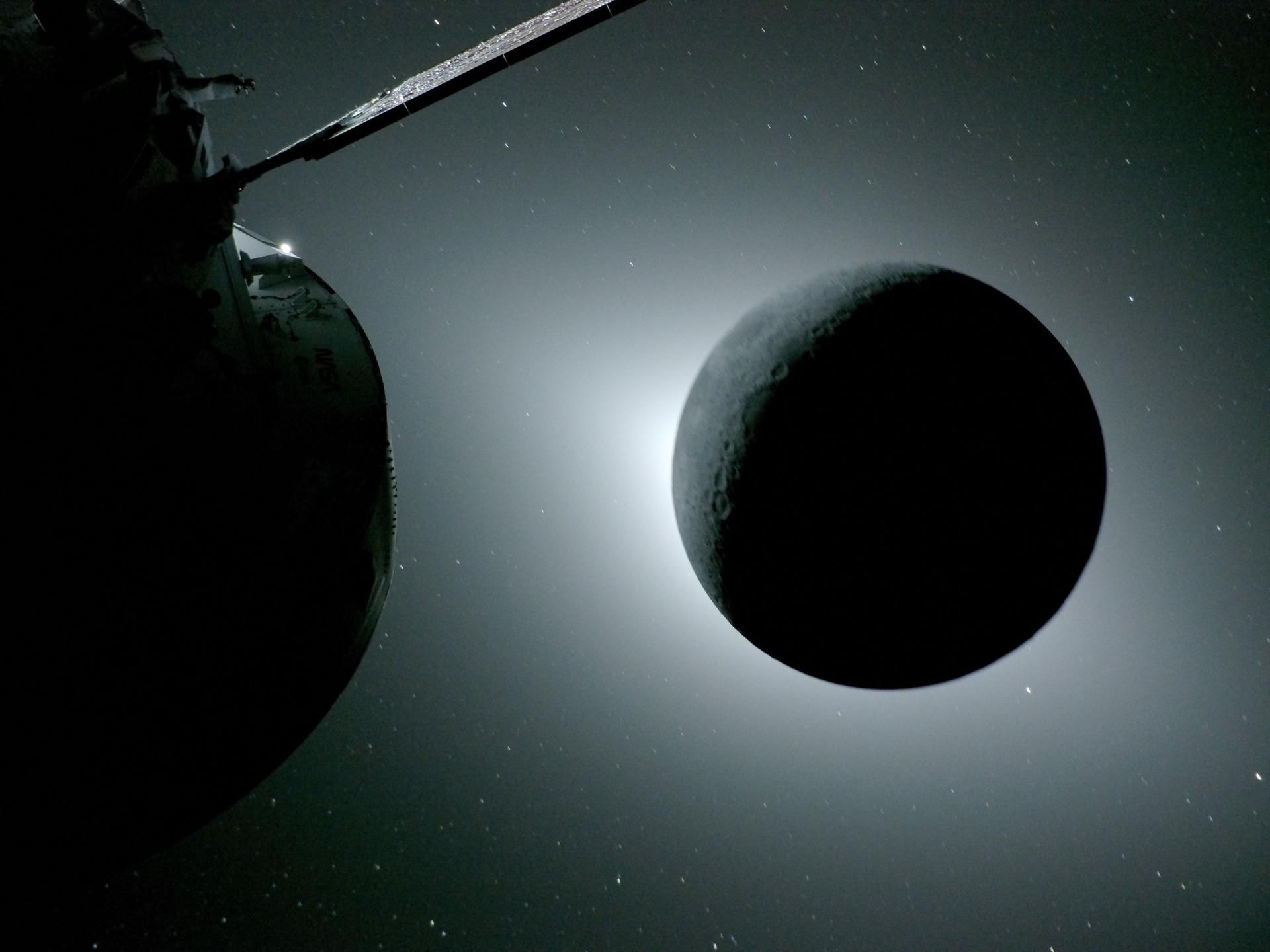
Eclipse witnessed in space. In this image captured by a camera on the Orion spacecraft's solar array wing , the Moon hangs backlit by the Sun during a total solar eclipse, with Orion visible in the foreground. Earth's reflected light brightens the Moon's left edge. Saturn appears as a bright spot below the Moon and the bright spot at the right edge of the image is Mars.
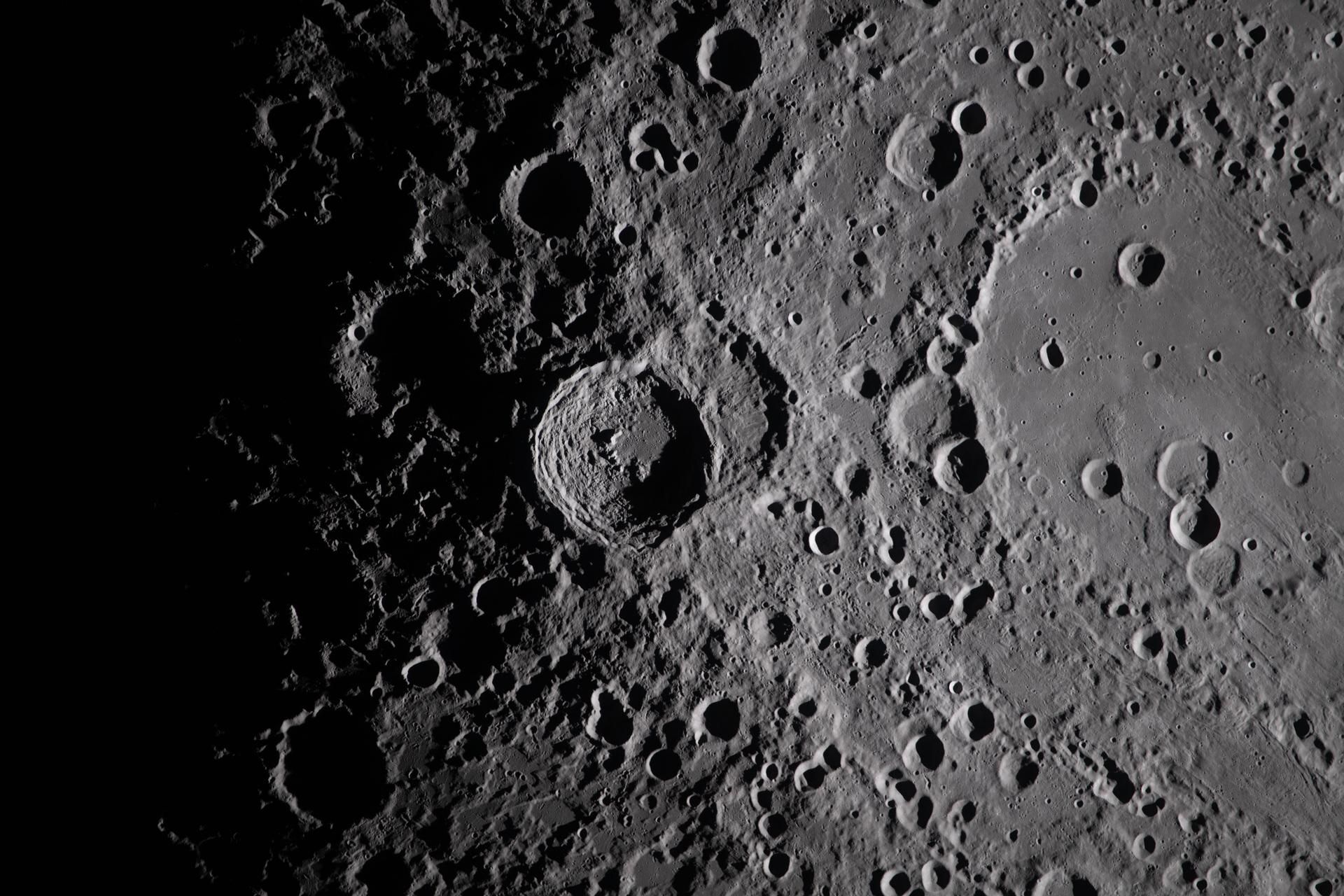
Vavilov Crater. This close-up view taken on April 6, 2026 during the lunar flyby is centered on the Vavilov Crater on the far side of the Moon. The image clearly a transition from smooth material within an inner ring of mountains to more rugged terrain from right to left of the image. Vavilov and other craters are highlighted by long shadows the boundary between lunar day and night. This was shot with a handheld camera at 400mm as Orion swung around the Moon's far side.
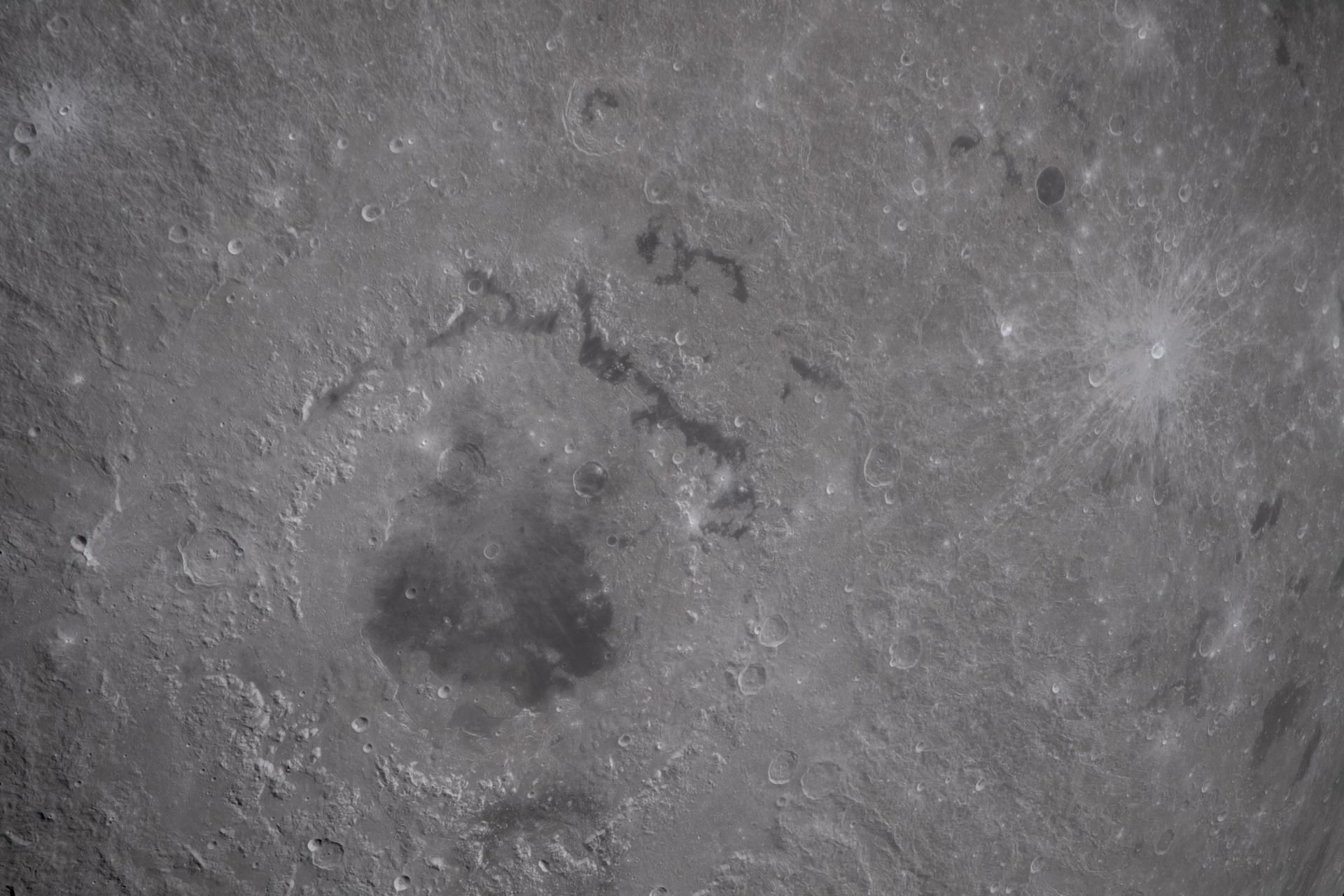
Orientale basin. This close-up view shows the Orientale basin located on the western border of the near side and far side of the Moon. It is one of the Moon's youngest and best-preserved large impact craters.
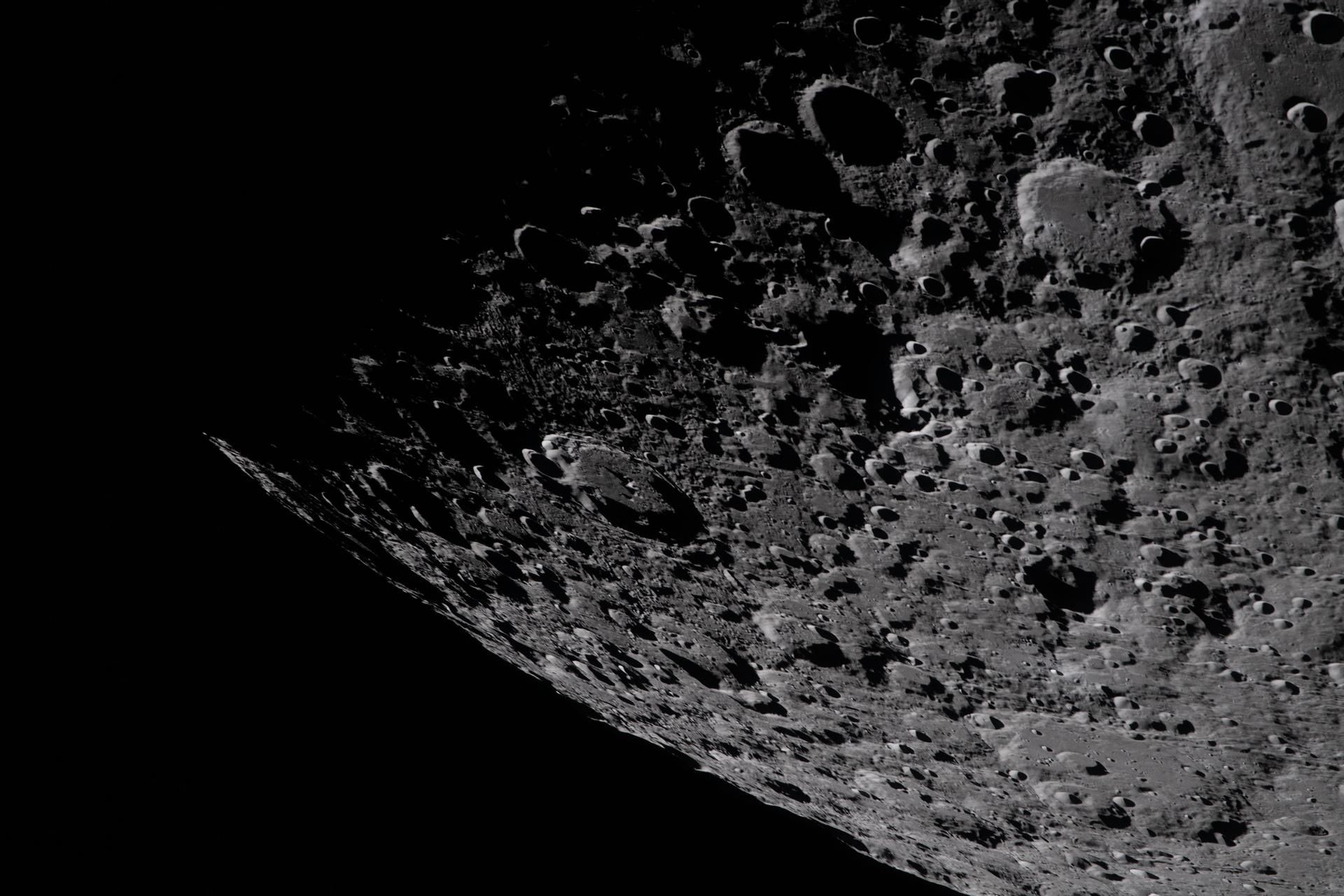
Ancient scars. The heavily cratered terrain of the South Pole-Aitken basin which is the Moon's largest and oldest impact basin stretches across this image captured by the Artemis II crew. The shadowed terminator marking the stark boundary between lunar day and night.
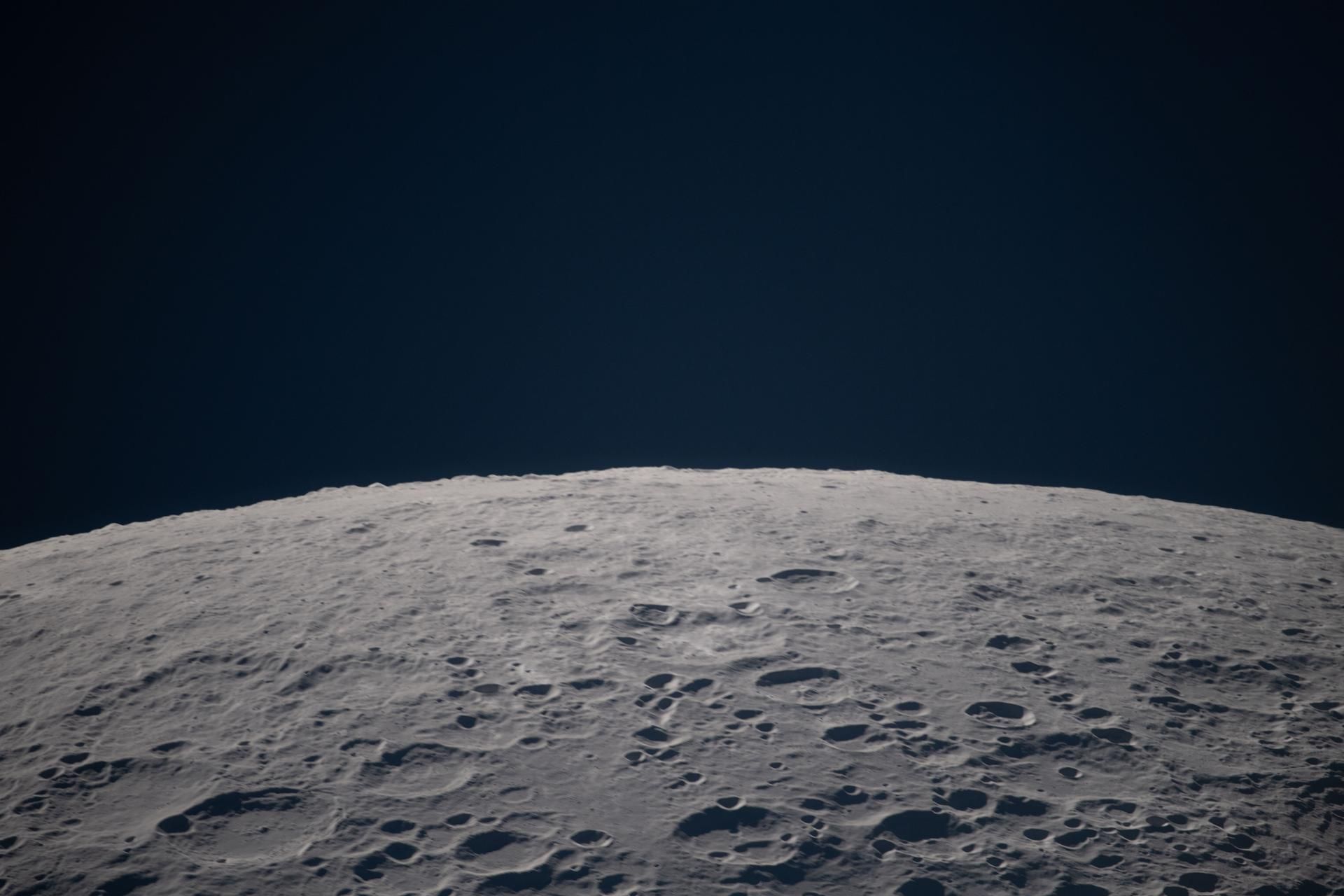
Cratered horizon. A terrain of ancient craters and sweeping shadows emerges in sharp focus as the Artemis II crew passes over the Moon during their observation period on April 6, 2026.
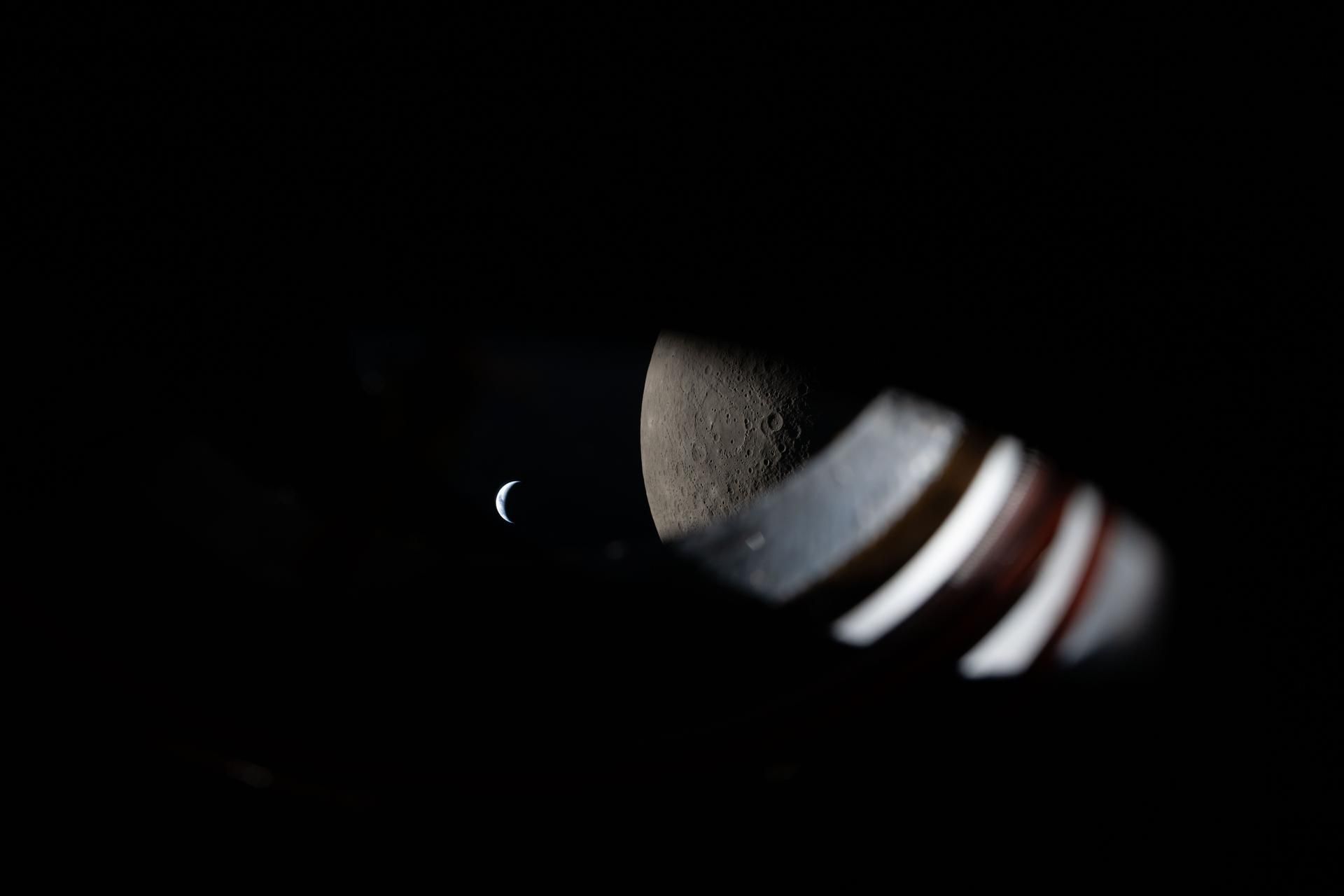
Before Earthset. Earth hangs against pitch-black space just minutes from disappearing behind the Moon in this stunning image. It was captured from the Orion spacecraft window approximately nine minutes before Earthset during the Artemis II lunar flyby, on April 6, 2026.
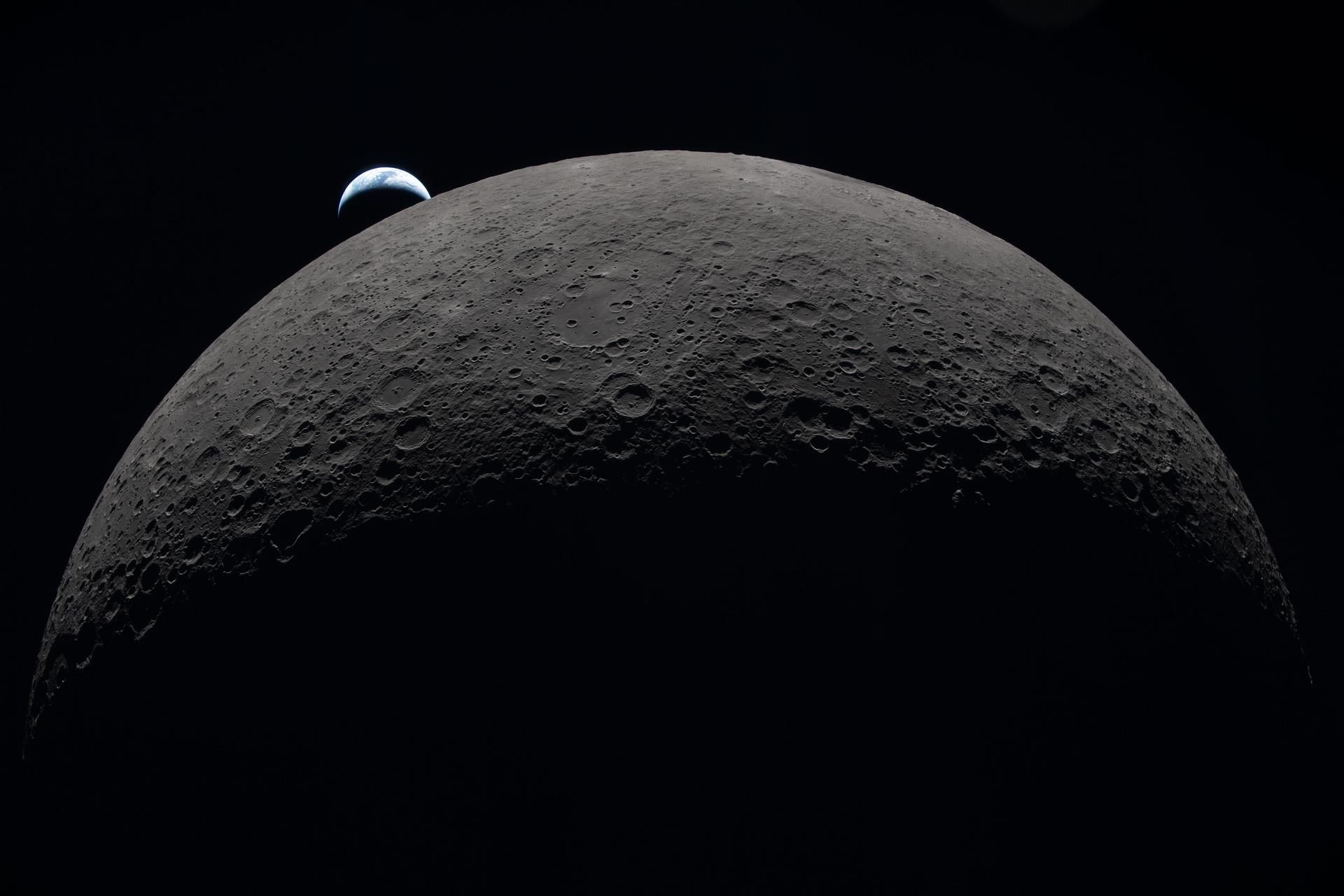
Earth hides behind the Moon. Earth slips behind the Moon's curved limb at 6:41 p.m. EDT, April 6, 2026. In the foreground, the ancient Orientale and Hertzsprung basins and the younger Vavilov crater tell billions of years of lunar history in a single breathtaking frame.
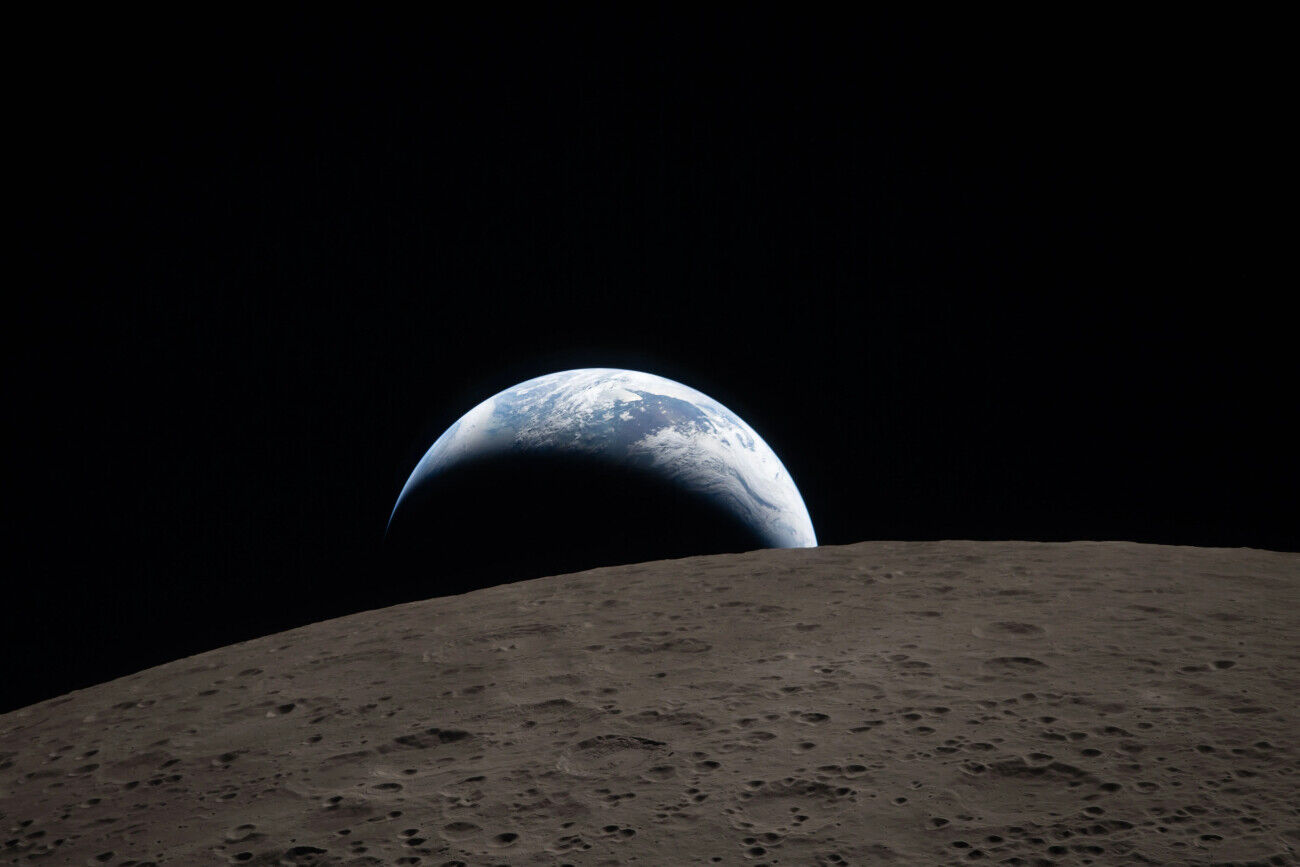
Earthset. This breathtaking image shows a soft blue Earth with its night side cloaked in darkness and swirling clouds visible over Australia and Oceania. It is setting behind the cratered lunar surface. This iconic image was captured from the Orion spacecraft window at 6:41 p.m. EDT, April 6, 2026, as the Artemis II crew completed their historic flyby of the Moon.
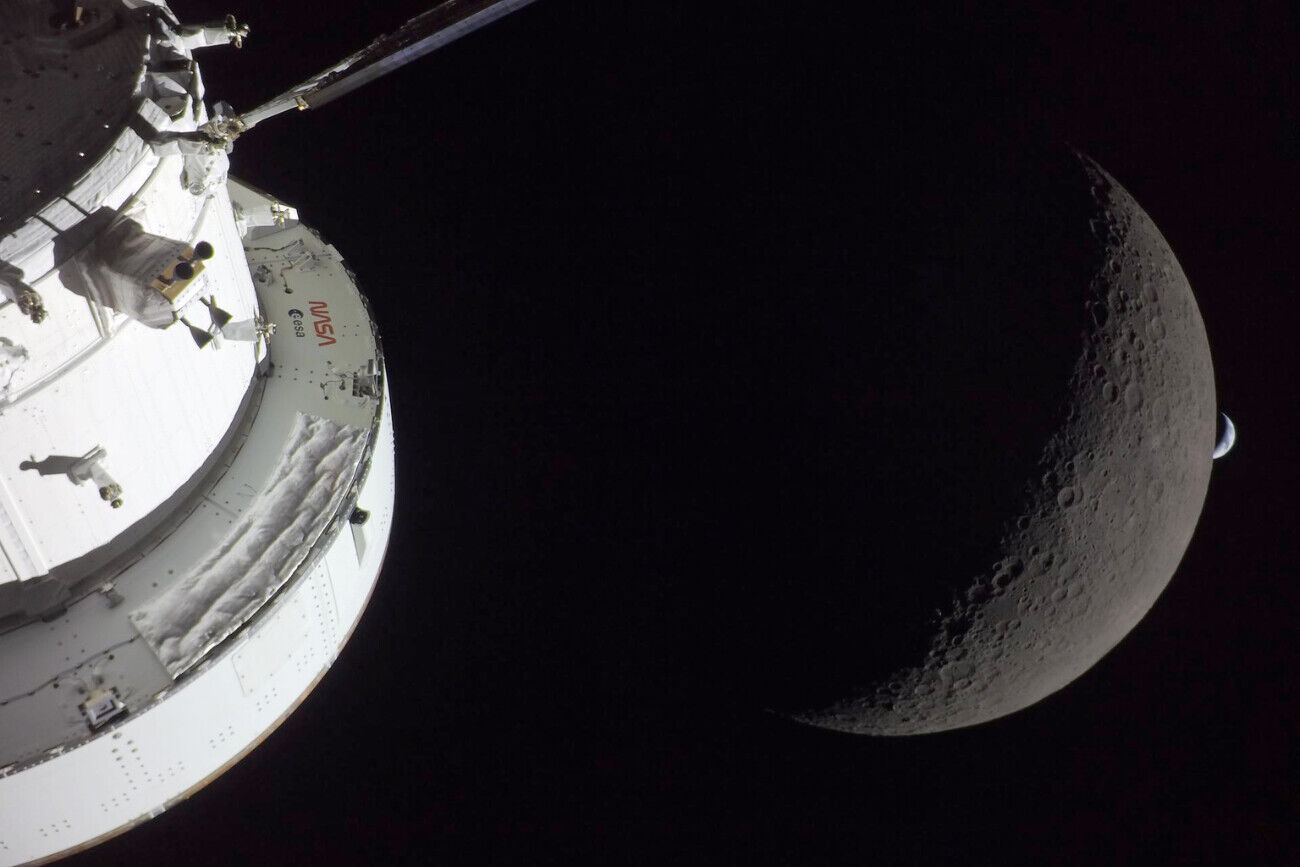
The complete picture. NASA's Orion spacecraft gleams in sunlight as a waxing crescent Moon looms behind it and a tiny crescent Earth prepares to set below the lunar horizon. This stunning view was captured by Orion spacecraft camera at 6:42 p.m. EDT on April 6, 2026.
Bye Bye, Moon
With the flyby complete, the Moon begins to fade into the distance, much like Earth did before. The spacecraft turns back home, carrying with it images and experiences that redefine our place in the cosmos.
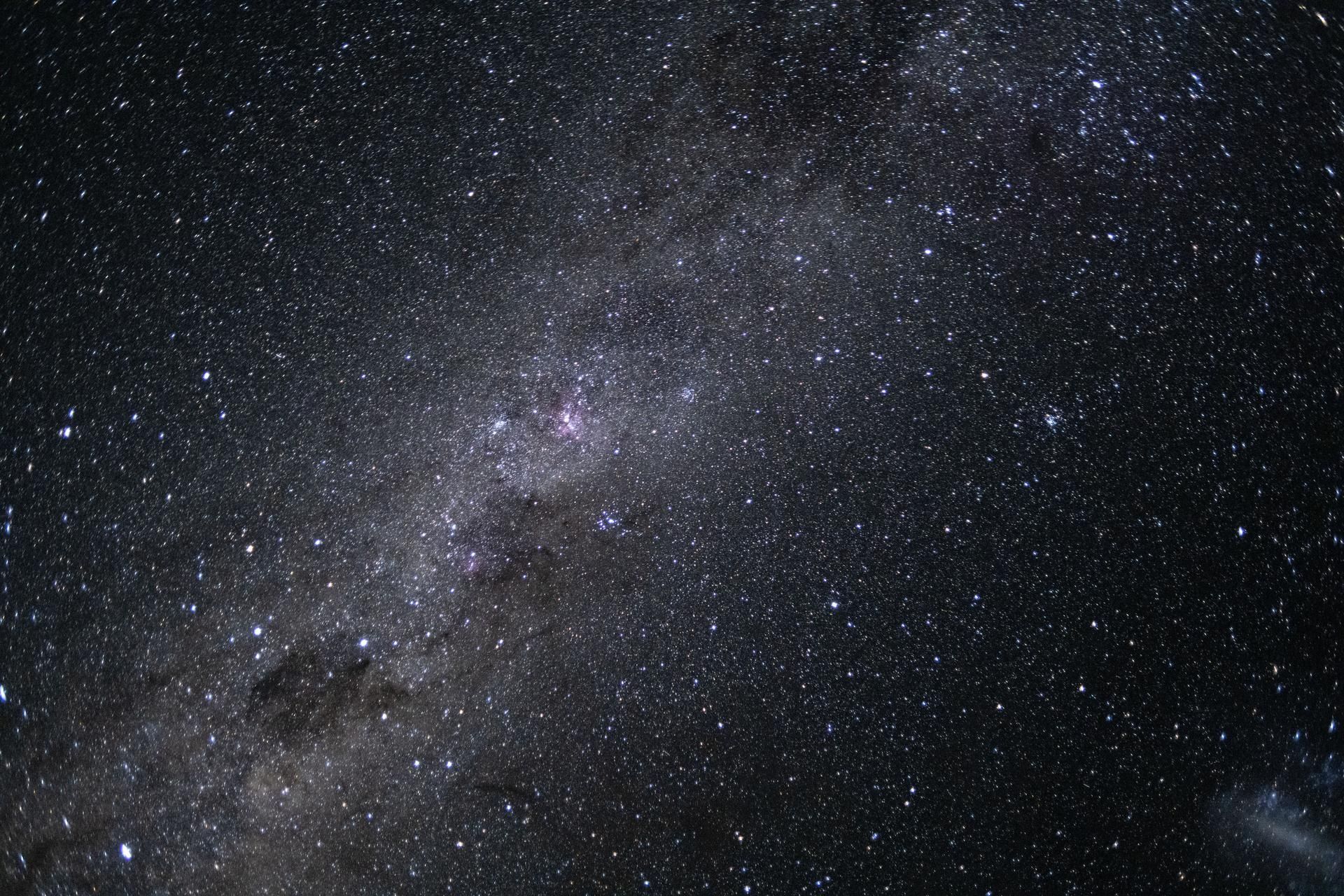
Our Place in the Universe. The Artemis II crew captured this breathtaking view of our home galaxy, the Milky Way, from deep space. This is a humbling reminder of our tiny place in the universe.

The Embrace. As they embark on their return journey to Earth, the Artemis II crew – (clockwise from left) Mission Specialist Christina Koch, Mission Specialist Jeremy Hansen, Commander Reid Wiseman, and Pilot Victor Glover – share a group hug inside the Orion spacecraft on April 7, 2026.
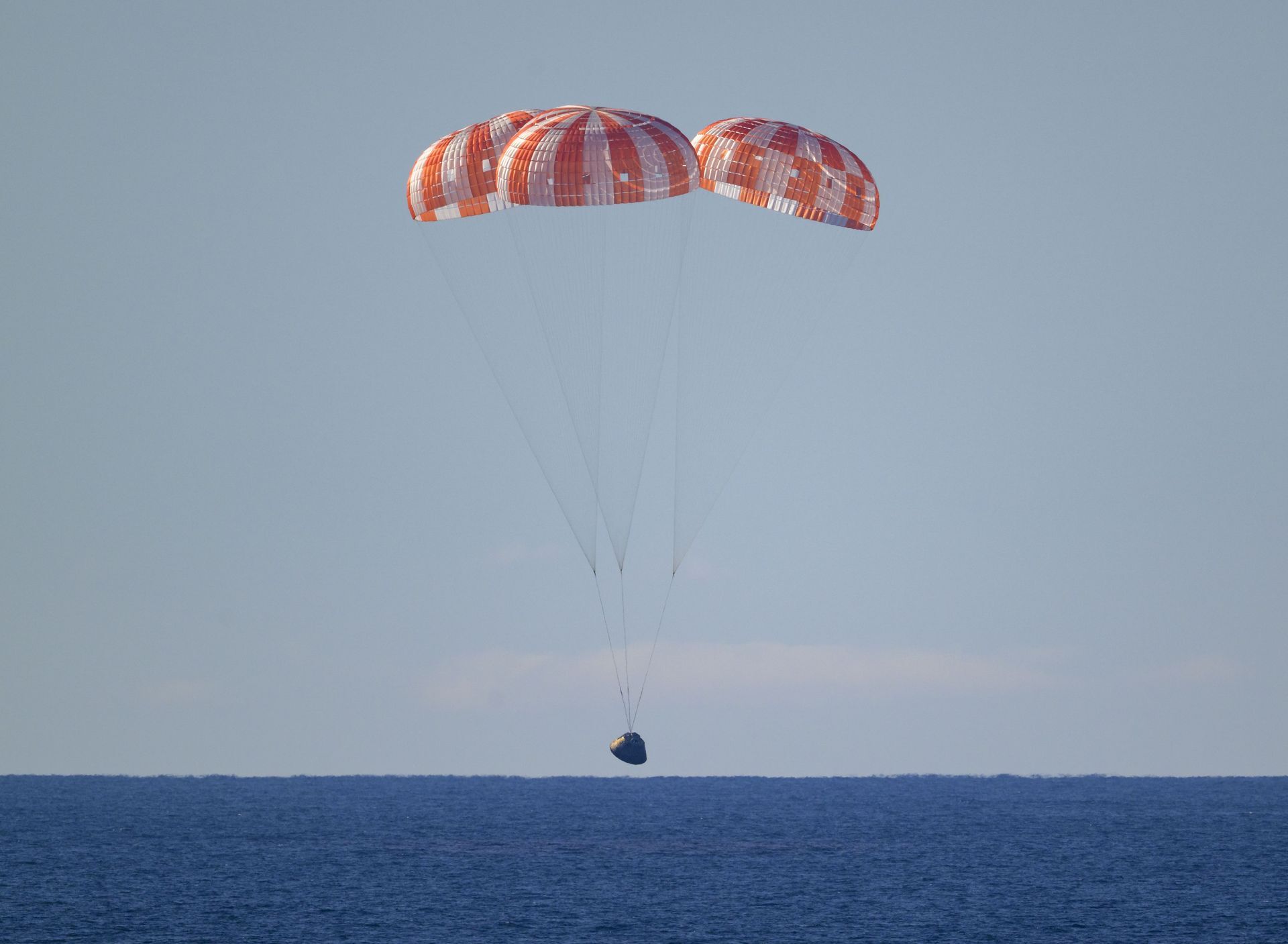
Safely home. NASA's Orion spacecraft descends under parachutes into the Pacific Ocean off the coast of California at 8:07 p.m. EDT, April 10, 2026, completing the Artemis II crew's nearly 10-day journey around the Moon and back.

Recovery. The Navy divers and the Artemis II crew aboard an inflatable raft are lifted by helicopter to the recovery ship following splashdown. Commander Reid Wiseman, Pilot Victor Glover, and Mission Specialists Christina Koch and Jeremy Hansen are retrieved after their historic journey around the Moon.
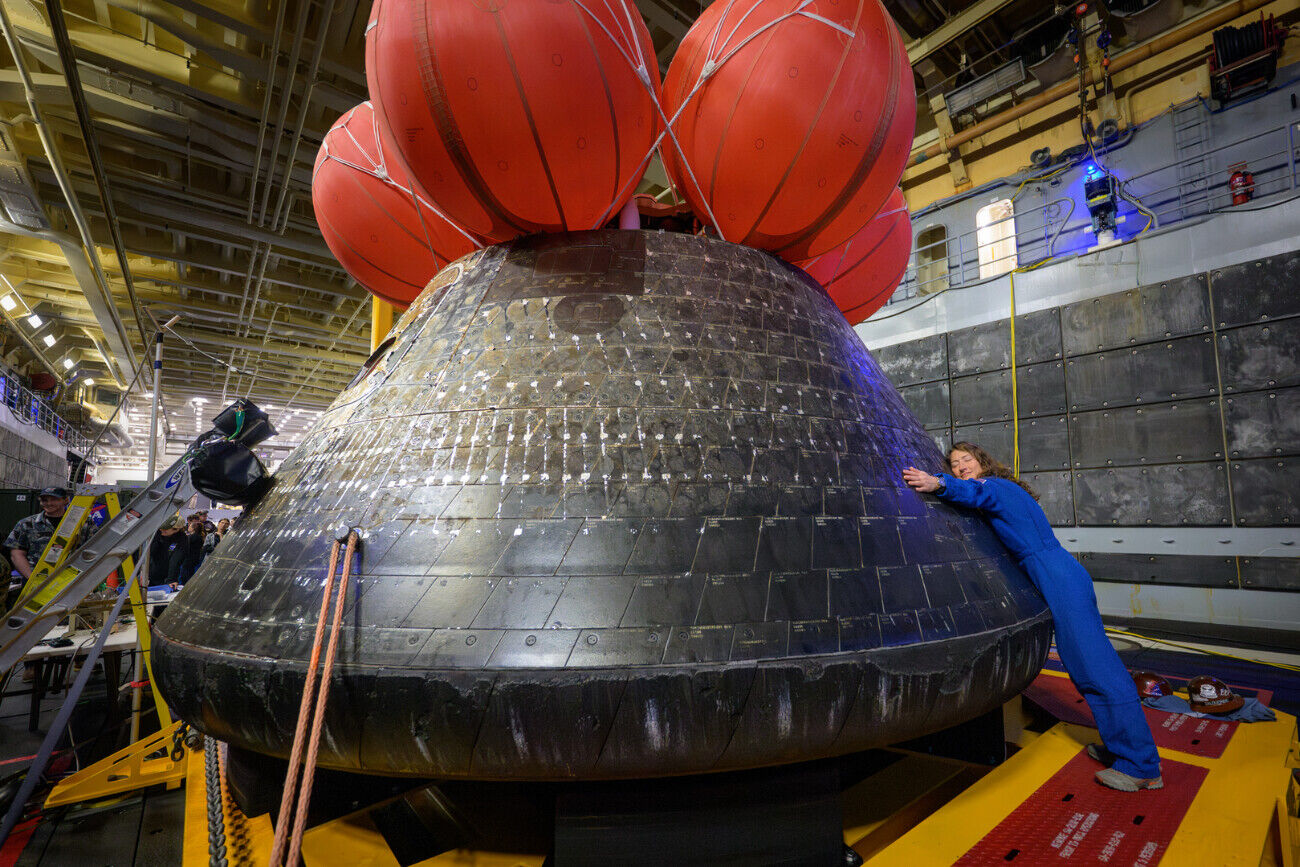
Home. Artemis II Mission Specialist Christina Koch embraces the Orion spacecraft — the crew's home for ten days in the space — in the well deck of USS John P. Murtha, on April 11, 2026. This image symbolizes a quiet farewell to the capsule that carried her to the Moon and back.