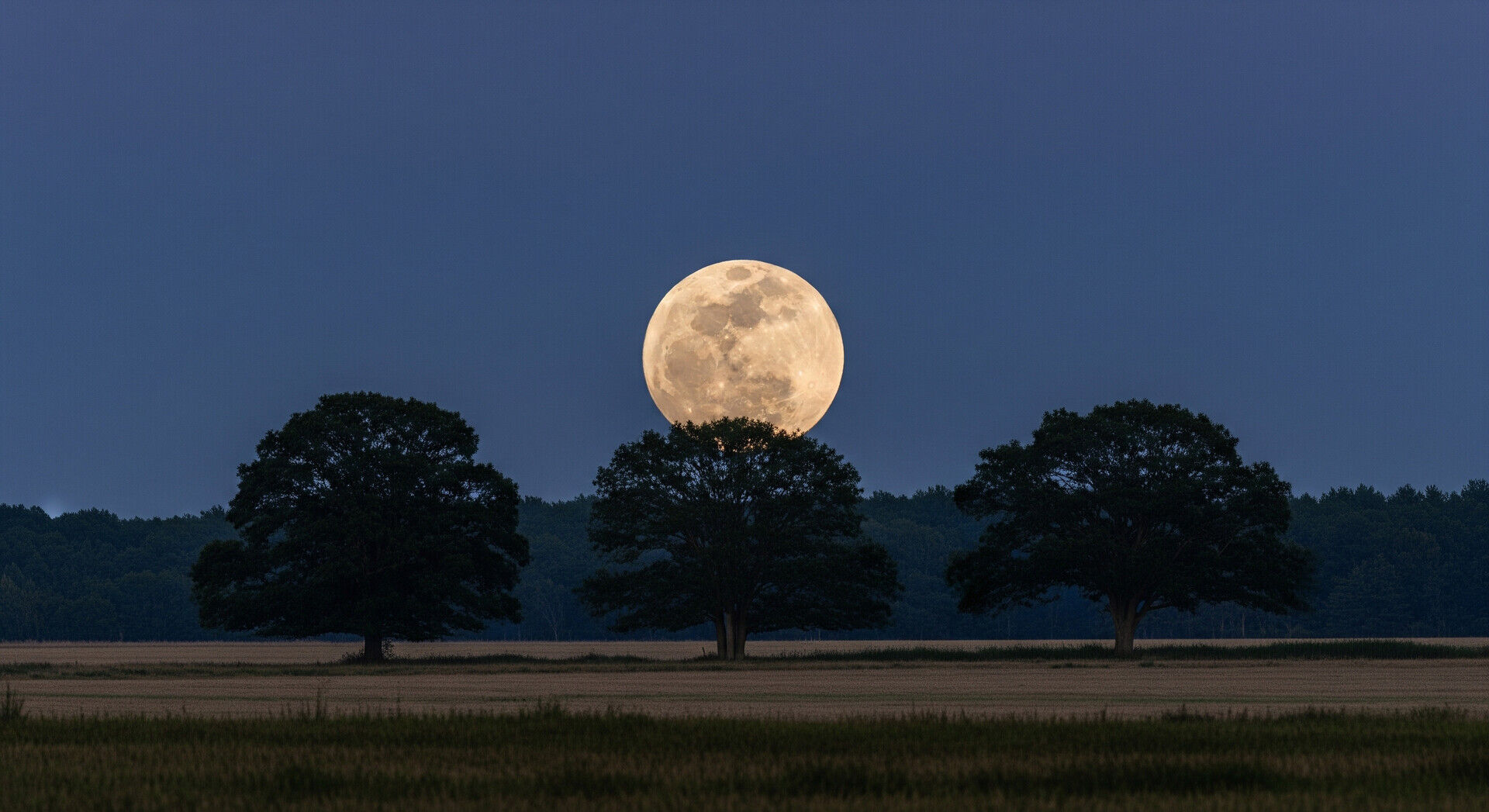
2025’s First Supermoon Is Coming — And It’s a Rare October Harvest Moon.
Get ready to witness a lunar spectacle that blends science, tradition, and cosmic timing. On the night of October 7, 2025, the Harvest Moon will rise above the horizon — and this year, it carries a special distinction. Not only is it the closest full Moon to the autumn equinox, it’s also the first supermoon of the year.
That means this October moon will look larger, brighter, and more radiant than any full Moon so far in 2025 — a perfect reason to step outside and look up.
What Makes This Moon So Special?
Let’s break it down. A supermoon occurs when the Moon reaches its full phase while also being at, or very near, its closest point to Earth in its elliptical orbit — known as the perigee. This makes the Moon appear up to 14% larger and 30% brighter than a micromoon.
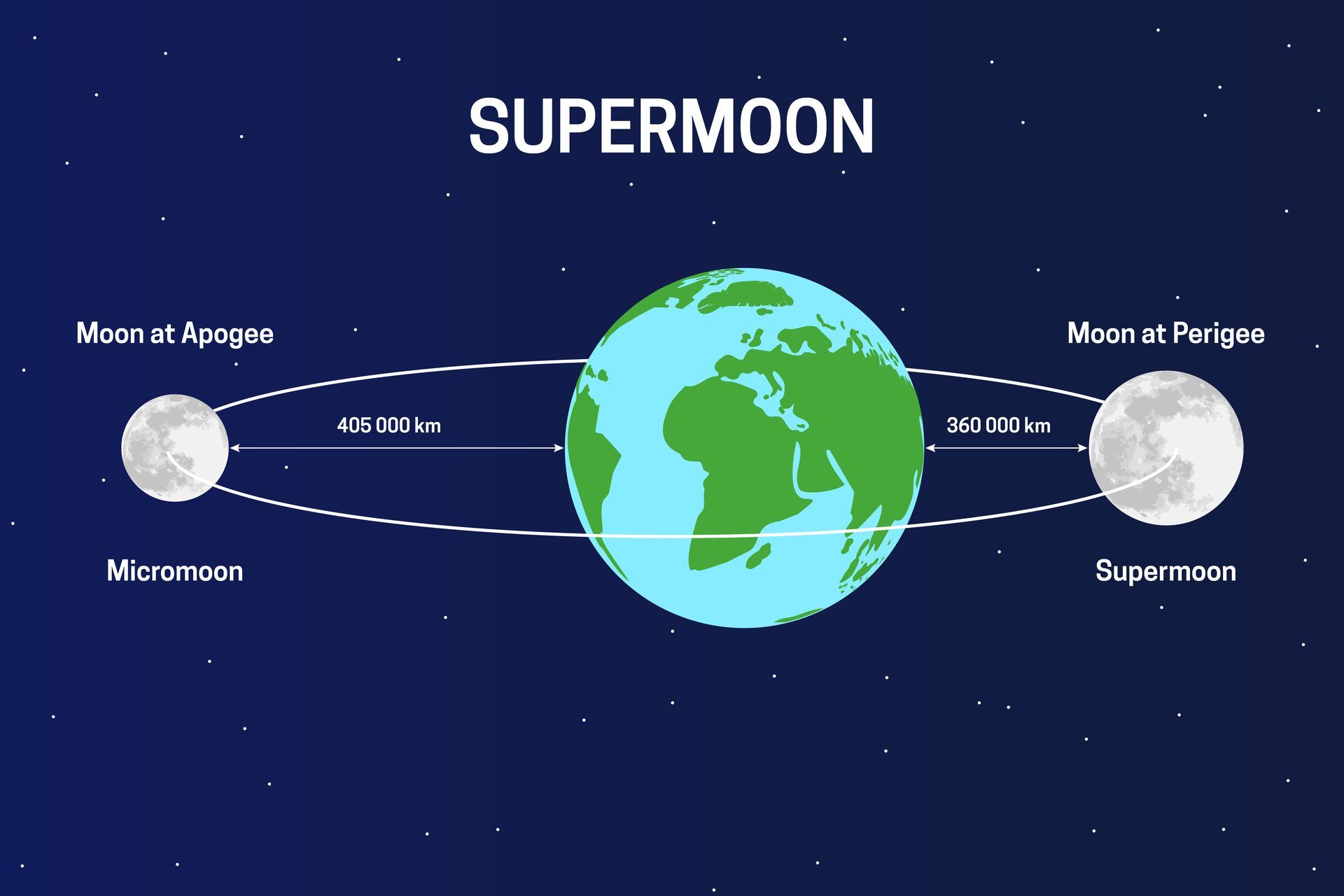
Moon's Orbit Around the Earth with Supermoon and Micromoon and Apogee and Perigee
Now add another layer: this isn’t just any full Moon — it’s the Harvest Moon. That’s the name given to the full Moon closest to the autumn equinox, which took place this year on September 22. The Harvest Moon traditionally provided extra evening light for farmers harvesting their crops, rising around sunset for several nights in a row.
But here’s the rarity: in most years, the Harvest Moon falls in September. This year, it's showing up in October, something that happens only 18 times between 1970 and 2050. The last time it occurred this late was in 2020, and the next won't come until 2028.
When and Where to Watch It
The full phase officially occurs at 03:48 GMT on October 7. No matter where you are, try to catch the Moon low on the horizon just after sunset — that’s when it looks its most dramatic.
Why the Moon Looks Bigger Near the Horizon
Ever notice how the Moon looks enormous when it’s rising but seems to shrink as it climbs higher? That’s a phenomenon known as the Moon illusion — and it’s all in your head. While the Moon doesn’t actually change size, our brains perceive it as larger when we see it in relation to objects on the ground like trees, buildings, or hills.
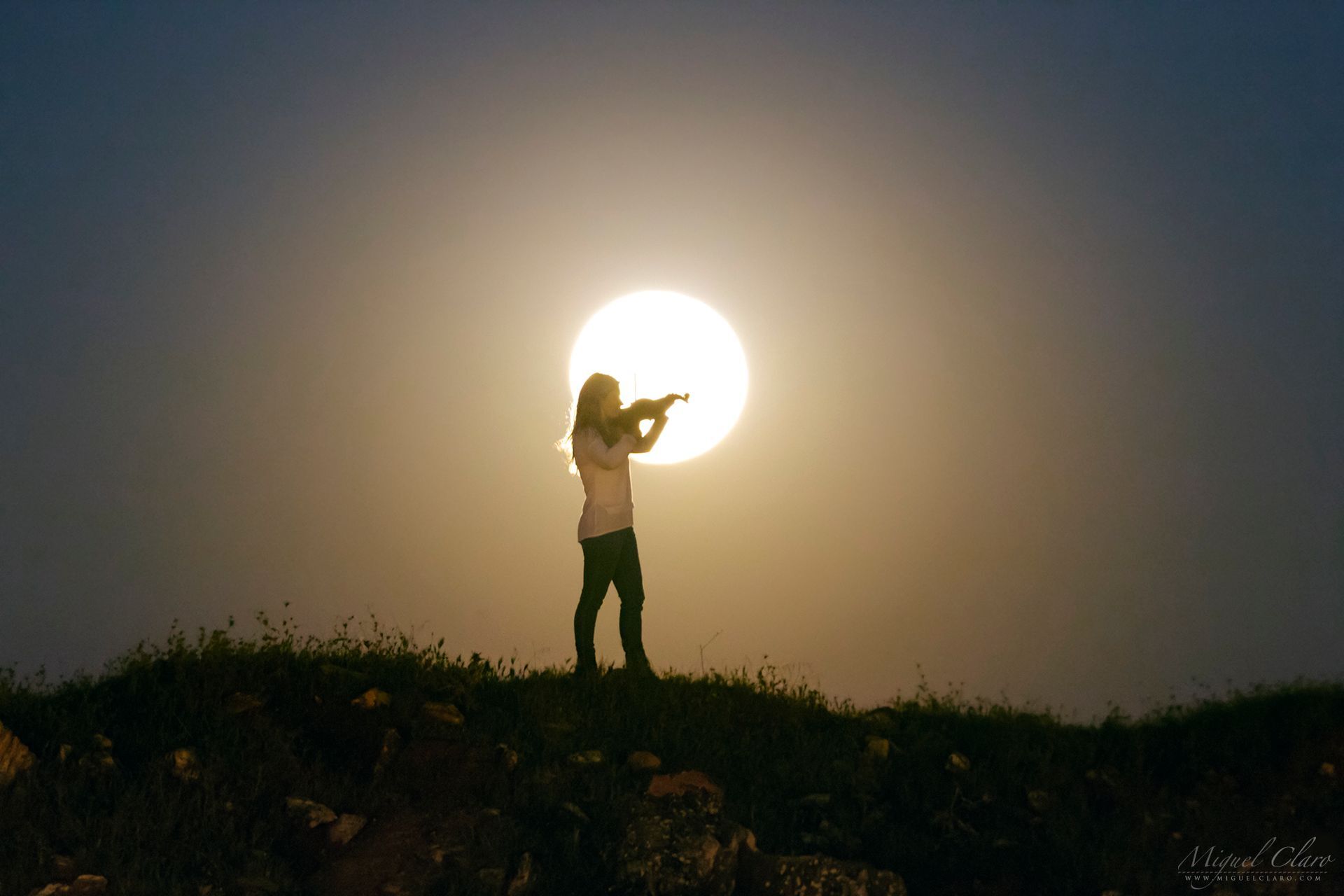
However, the Moon does look more reddish-orange near the horizon, and that part is real. When it's low in the sky, light from the Moon passes through a thicker layer of Earth’s atmosphere, which scatters blue light and leaves behind those rich, warm hues.
The Unusual Behavior of the Harvest Moon
The Harvest Moon has another peculiar trait: it rises at nearly the same time for several nights in a row. Normally, the Moon rises about 50 minutes later each evening. But around the time of the equinox, its orbital path (the ecliptic) meets the horizon at a shallow angle in the Northern Hemisphere.
The result? For a few nights, moonrise happens just 20–30 minutes later instead. This means brighter evenings, and for ancient cultures — or even modern farmers — it meant more time to work under the light of the Moon.
The effect is more noticeable in southern latitudes (like Miami), and less so the farther north you go. But in extreme cases, such as Barrow, Alaska, the Moon can even appear to rise earlier each night, reversing the usual trend.
A Season of Supermoons
This Harvest Moon is just the beginning. It’s the first in a trio of supermoons closing out the year. The next two arrive on:
- November 5, 2025
- December 4, 2025
So if clouds block your view this time, don’t worry — the sky is offering two more chances to witness a Moon that’s unusually close and bright.
October is packed with spectacular celestial events. Here are the top sky events happening this month — from dazzling planetary conjunctions to a comet lighting up the night. Make sure to read this article. Don’t miss them.