Lyrid Meteor Shower 2026: Dates, Peak Time, and How to Watch
Every April, Earth crashes through the ancient ruins of a comet. What happens next has been lighting up the sky — and captivating skywatchers — for over 2,700 years.
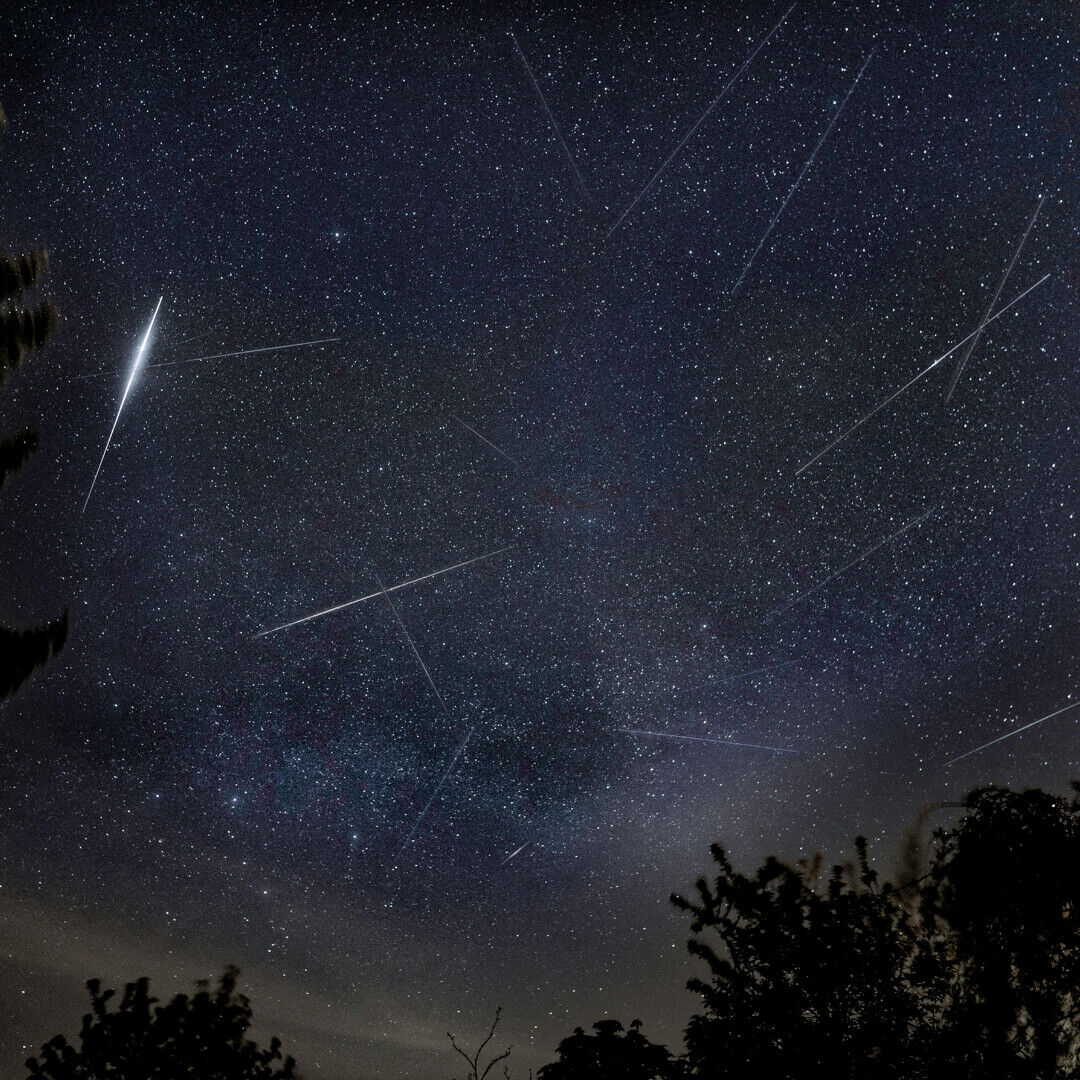
Lyrid meteor shower of 2020
What Is the Lyrid Meteor Shower?
The Lyrid meteor shower is one of the oldest known astronomical events in human history. Its first recorded observation dates back to 687 B.C., when Chinese astronomers documented the display. Later, the shower was described in Korean chronicles as "many stars flying from the northeast." For over two and a half millennia, every April without fail, it has returned.
The Lyrids are little pieces of Comet Thatcher — a long-period comet discovered by amateur astronomer A.E. Thatcher in 1861. As it orbits the Sun roughly every 415 years, it sheds a trail of dust and debris across its path. Each April, Earth sweeps through that trail, and the particles, no larger than grains of sand, slam into our atmosphere at around 49 kilometres per second. The friction is enough to vaporise them completely, producing the brief, brilliant streaks we call shooting stars.
Comet Thatcher itself won't return until the year 2278. But its debris trail, and the Lyrid meteor shower it creates, will be here every April.
When Is the Lyrid Meteor Shower in 2026?
The Lyrid meteor shower is active between April 16 and 25, 2026, and will peak on the night of April 21 into the early morning hours of April 22.
The timing is favourable this year. The waxing Moon will be only 40% lit as the shower peaks, and the lunar disk will set below the western horizon roughly an hour and a half after midnight, leaving the sky beautifully dark for the best hours of meteor hunting.
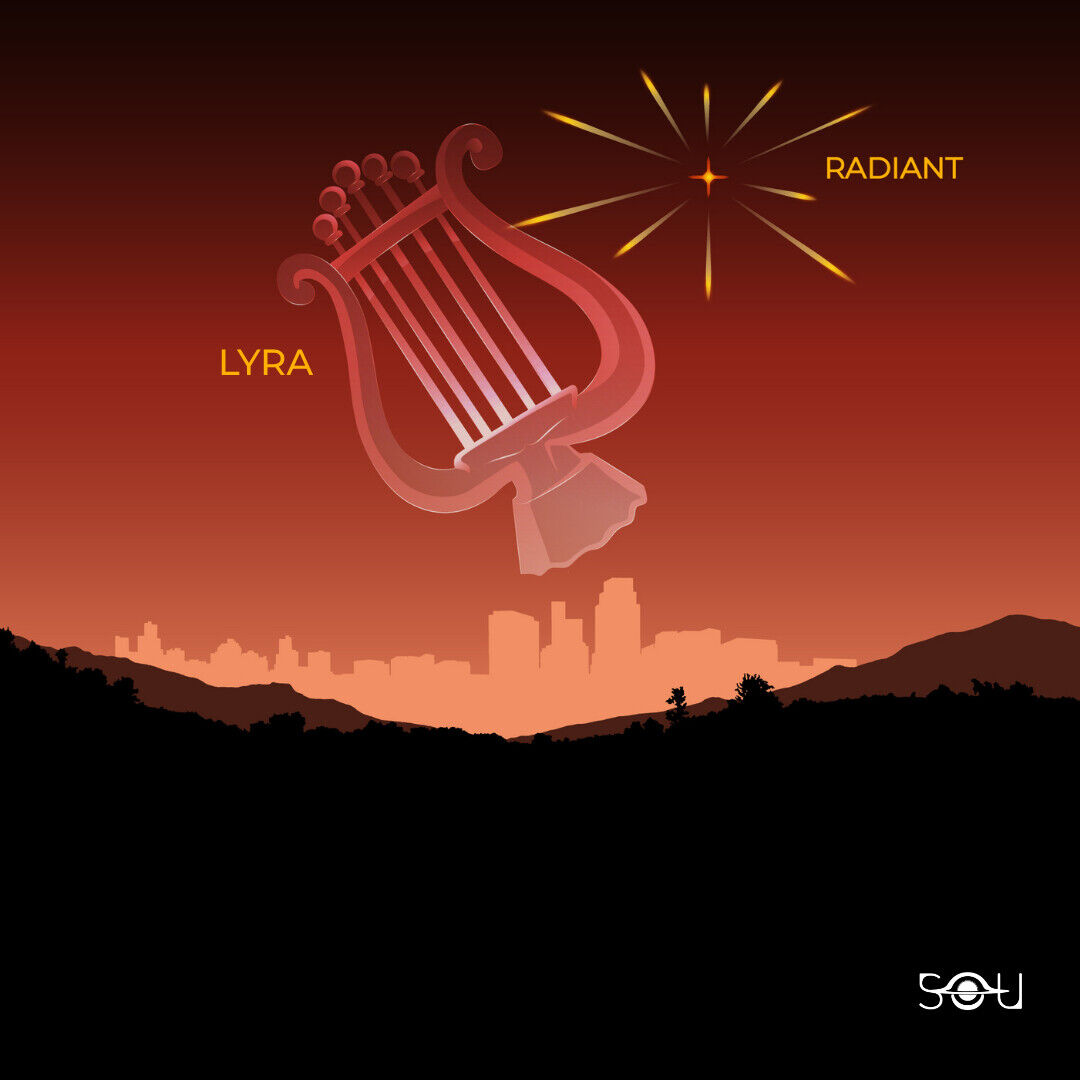
The radiant of the Lyrid meteor shower lies in Lyra, a prominent northern summer constellation.
The predicted peak is around 19:15 UTC on April 22. For the best chance to see a good show, watch in the early hours of April 22 — that predawn window, after the Moon has set and before twilight begins to brighten the sky, is your golden opportunity.
How Many Meteors Can You Expect?
The average Lyrid shower produces 15 to 20 meteors per hour under ideal dark-sky conditions. That is modest compared to the Perseids in August, but the Lyrids compensate with quality. They are known for their bright, colourful meteors — and occasionally, fireballs. Fireballs are exceptionally bright meteors that outshine the planet Venus.
The Lyrids are also known for rare outbursts — years when rates suddenly surge to 100 meteors per hour. The next predicted Lyrid outburst is due in 2042, caused by the planets gradually reshaping the long debris trail left behind by Comet Thatcher. 2026 is not an outburst year, but any Lyrid night holds the potential for a surprise.
Where to Look and How to Watch
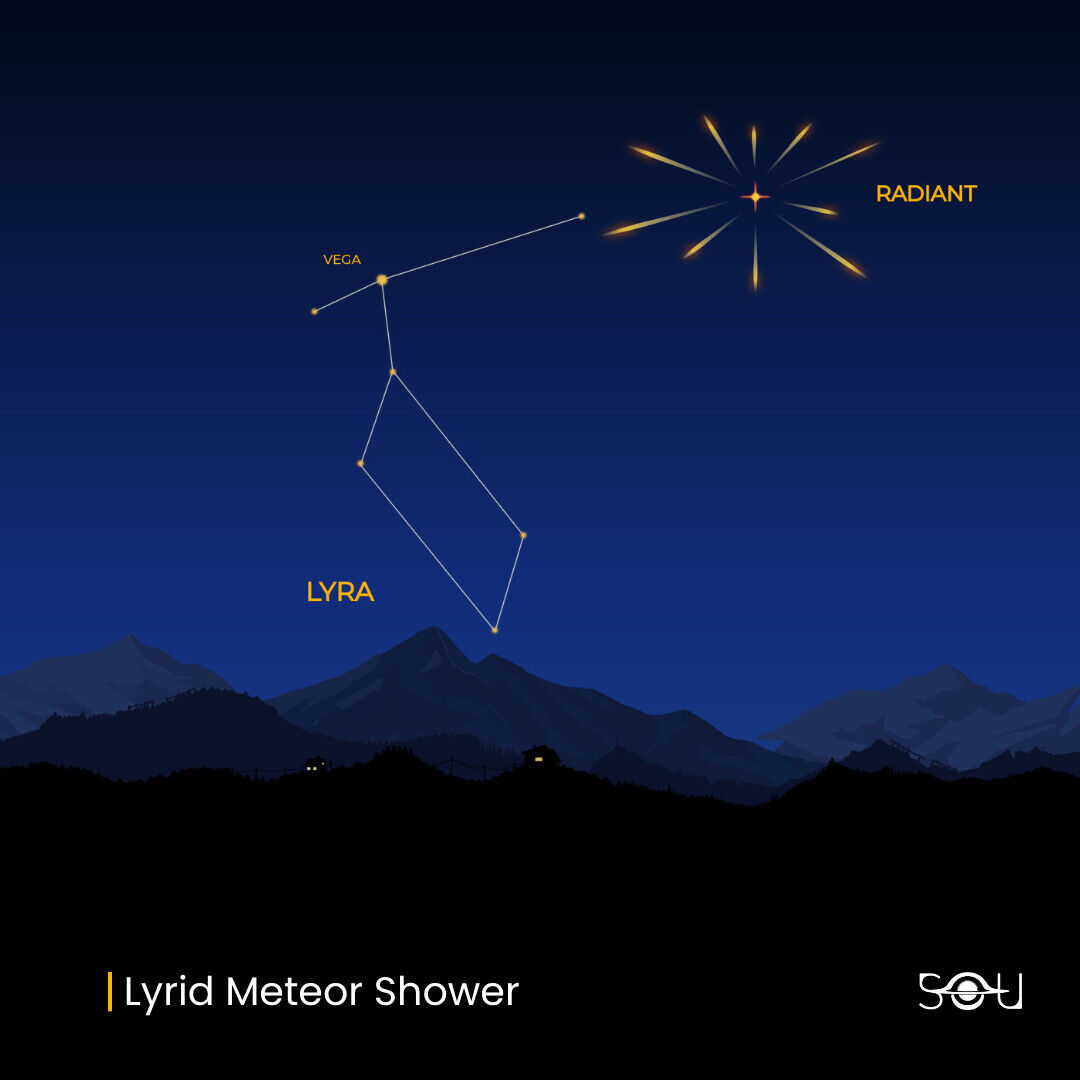
The radiant of the Lyrid meteor shower
No telescope needed. Head outside around three hours before sunrise and locate the bright star Vega in the eastern sky. When meteor hunting, don't stare directly at the radiant — instead, try to find a patch of sky roughly 40 degrees away from it to catch meteors with the longest, most dramatic tails.
Get as far from city lights as possible, and give your eyes at least 30 minutes to fully adjust to the dark. Lie on your back, dress warmly, and simply fill your view with as much sky as you can. The Lyrids reward patience.
Note that this shower is best viewed from the Northern Hemisphere, where the radiant rises high in the sky before dawn. Southern Hemisphere observers will see fewer meteors as the radiant stays low.
Happy skygazing!