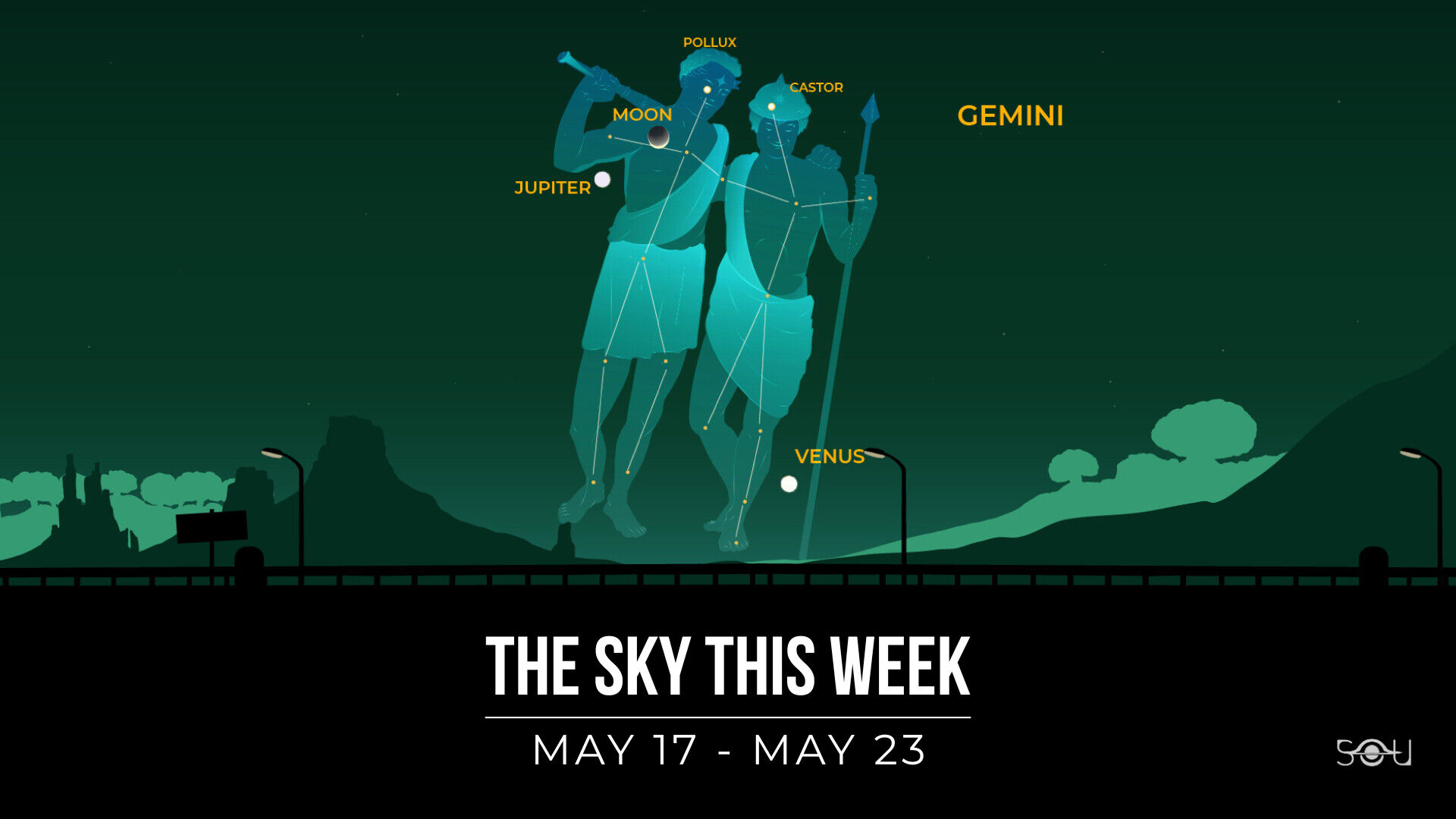
The Sky This Week, May 17 - May 23, 2026
This week, the Moon returns to the evening sky as a young crescent, then glides through one of the most beautiful planetary sequences of the year. Venus and Jupiter shine in the west after sunset, drawing closer night by night, while the Moon moves from Venus to Jupiter, past the Beehive Cluster, and onward into Leo. Here’s what to look for, night by night.
Read the full report on night sky events in May 2026 here
May 17 — The Young Crescent Moon Returns
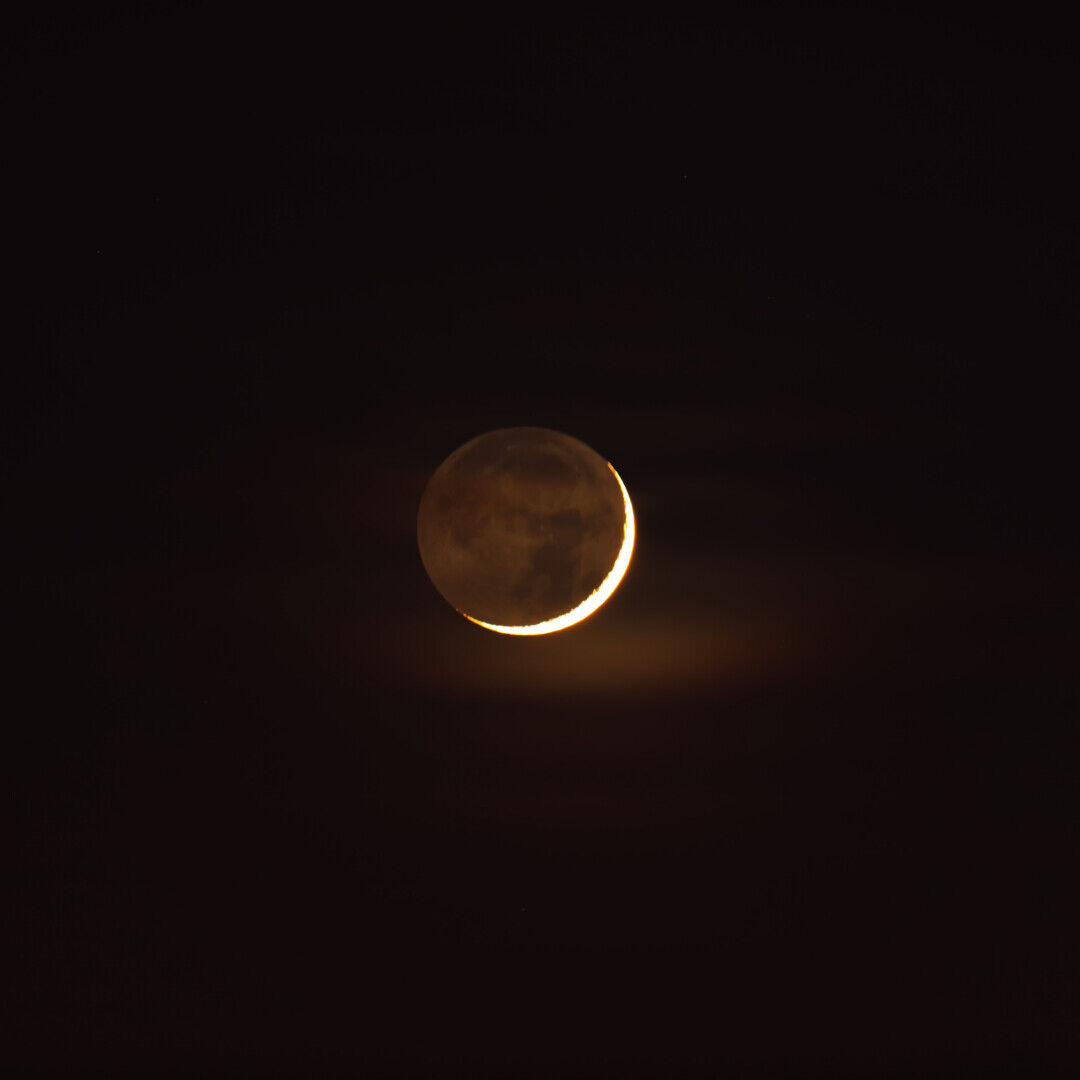
One day after new Moon, a very young crescent Moon begins to return to the evening sky.
This will be a delicate sight, and not an easy one for everyone. The Moon reaches new phase on May 16 at 20:01 UTC (4:01 p.m. EDT), so by sunset on May 17 it will still be thin, low, and close to the Sun’s afterglow. A clear western horizon will be essential.
Look low in the west shortly after sunset. The crescent may appear as a fine silver arc against the fading twilight, visible for only a short time before it follows the Sun below the horizon. Binoculars can help, but use them only after the Sun has completely set.
For Northern Hemisphere observers, the angle of the evening ecliptic should make the young Moon somewhat easier to catch than it would be in a poorer season. From parts of the Southern Hemisphere, the crescent may sit lower in twilight, so timing and horizon clarity matter even more.
You may download one of these space apps so that you can easily locate the planets, stars, and constellations according to your location.
May 18 — The Moon Meets Venus
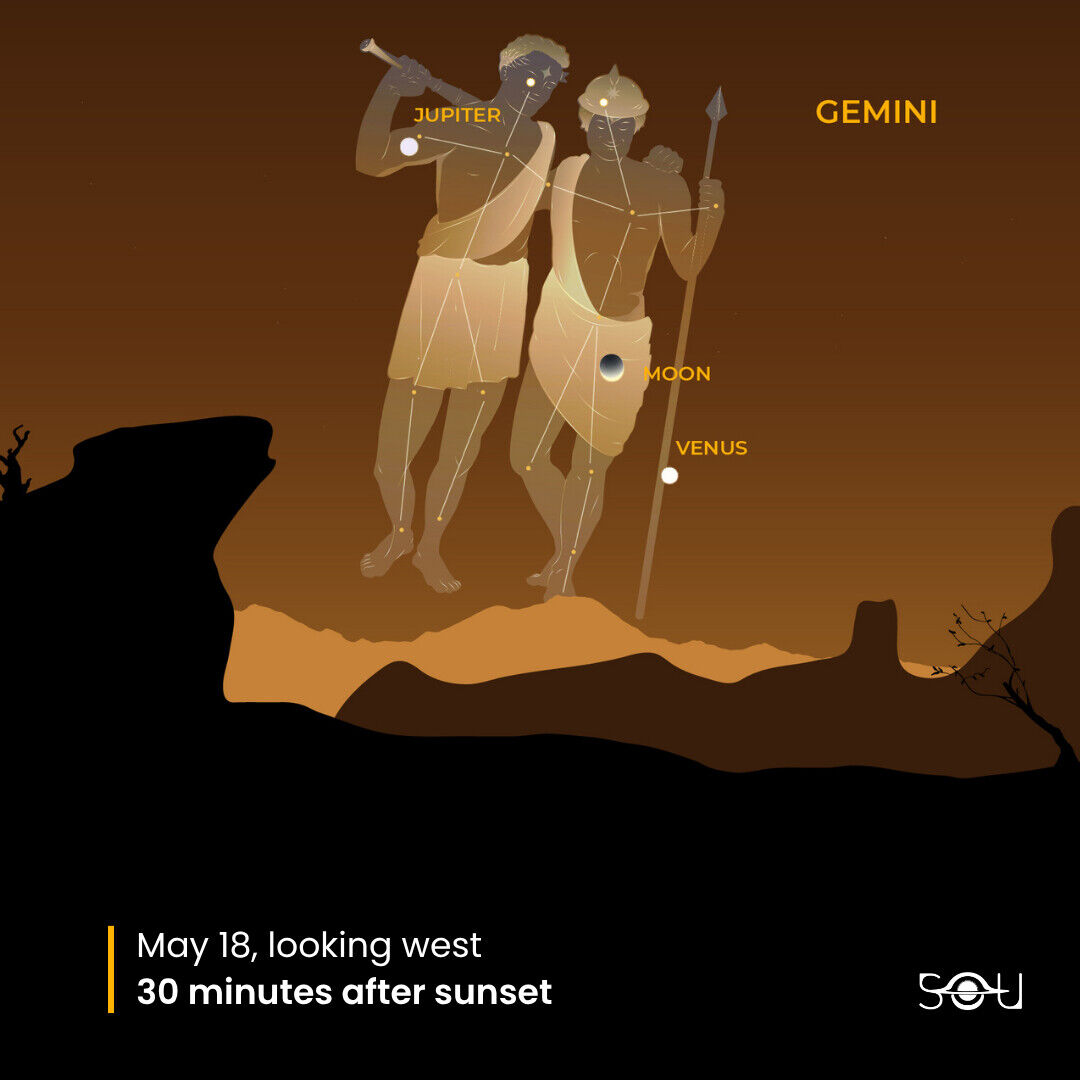
The Moon meets Venus on May 18, 2026
The week’s most photogenic scene begins on May 18, when the waxing crescent Moon appears close to Venus after sunset.
Venus is now the brightest point of light in the western evening sky, shining through twilight before most stars have appeared. The Moon, still only a slim crescent, will hang nearby, creating one of those simple sky scenes that needs no telescope and no dark-sky site — just a clear view toward the west.
The pairing is best seen about 30–60 minutes after sunset. From cities, Venus will still cut easily through the glow. The Moon will be softer and lower, so try to catch the scene before it sinks too far into the horizon haze.
May 19 — The Moon Hangs Between Venus and Jupiter
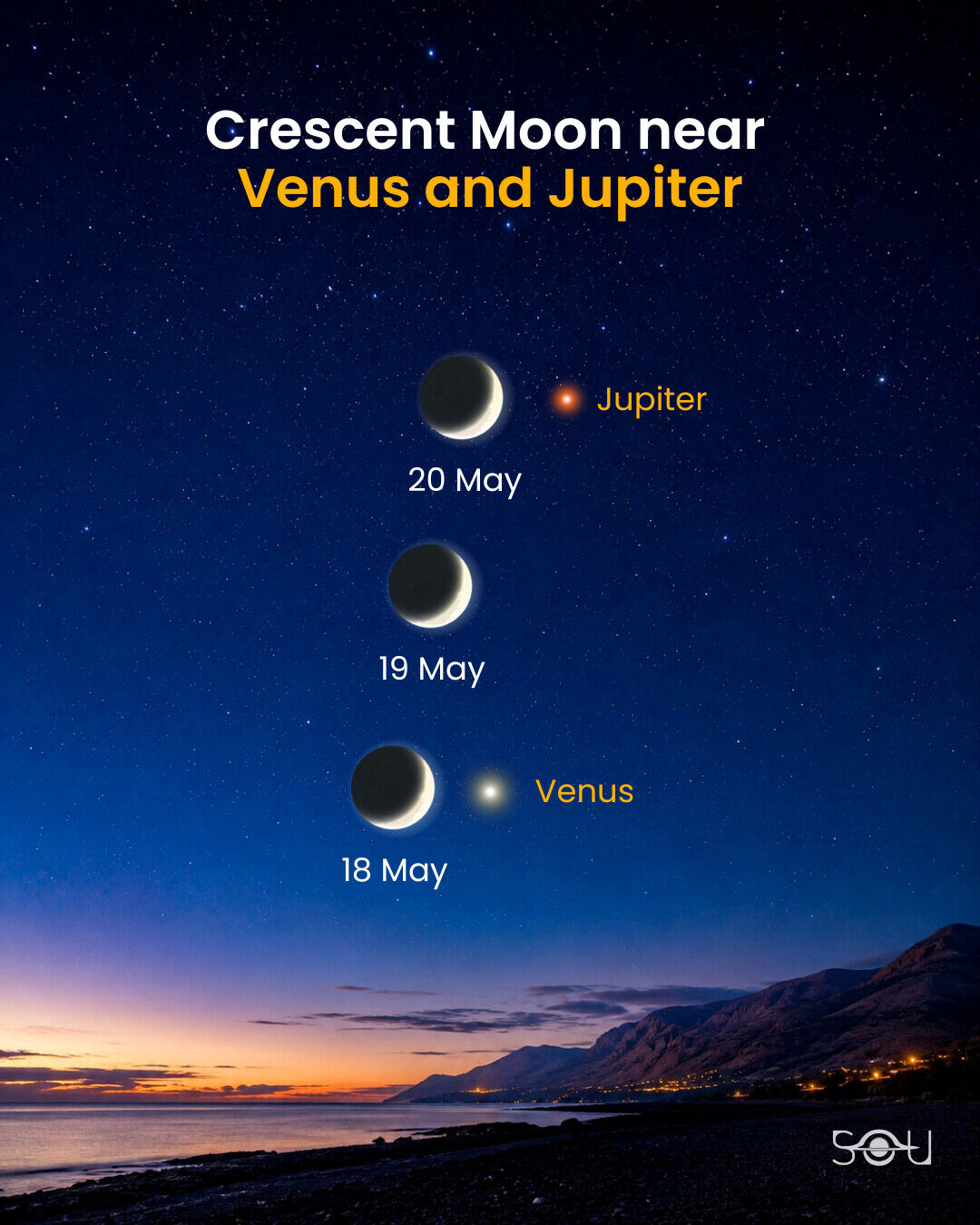
The Moon-Jupiter-Venus conjunction from May 18-20, 2026
By May 19, the crescent Moon has moved eastward along the ecliptic and appears between Venus and Jupiter.
This is the kind of arrangement that makes the motion of the sky visible from one evening to the next. Venus shines lower in the western sky, brilliant and unmistakable. Jupiter sits farther along the same broad path, dimmer than Venus but still one of the brightest objects in the evening. Between them, the Moon becomes a temporary bridge.
The sight is best viewed after sunset, when the sky is dark enough for Jupiter to emerge but still bright enough to hold the glow of twilight. The three objects will not be tightly packed, but their geometry is elegant: two planets slowly closing in on each other, with the Moon crossing between them like a marker of time.
Venus and Jupiter will continue drawing closer through the rest of May, building toward their close conjunction on June 9, 2026.
May 20 — Moon near Jupiter
On May 20, the waxing crescent Moon shifts closer to Jupiter. Venus will still glow lower in the west, so the three objects will continue forming a lovely evening display.
Jupiter is much farther from Earth than Venus, but it still appears bright because of its enormous size and reflective cloud tops. If you have binoculars, you may be able to spot some of Jupiter’s four largest moons as tiny points of light nearby, though a small telescope will show them more clearly.
May 21 — Moon near the Beehive Cluster
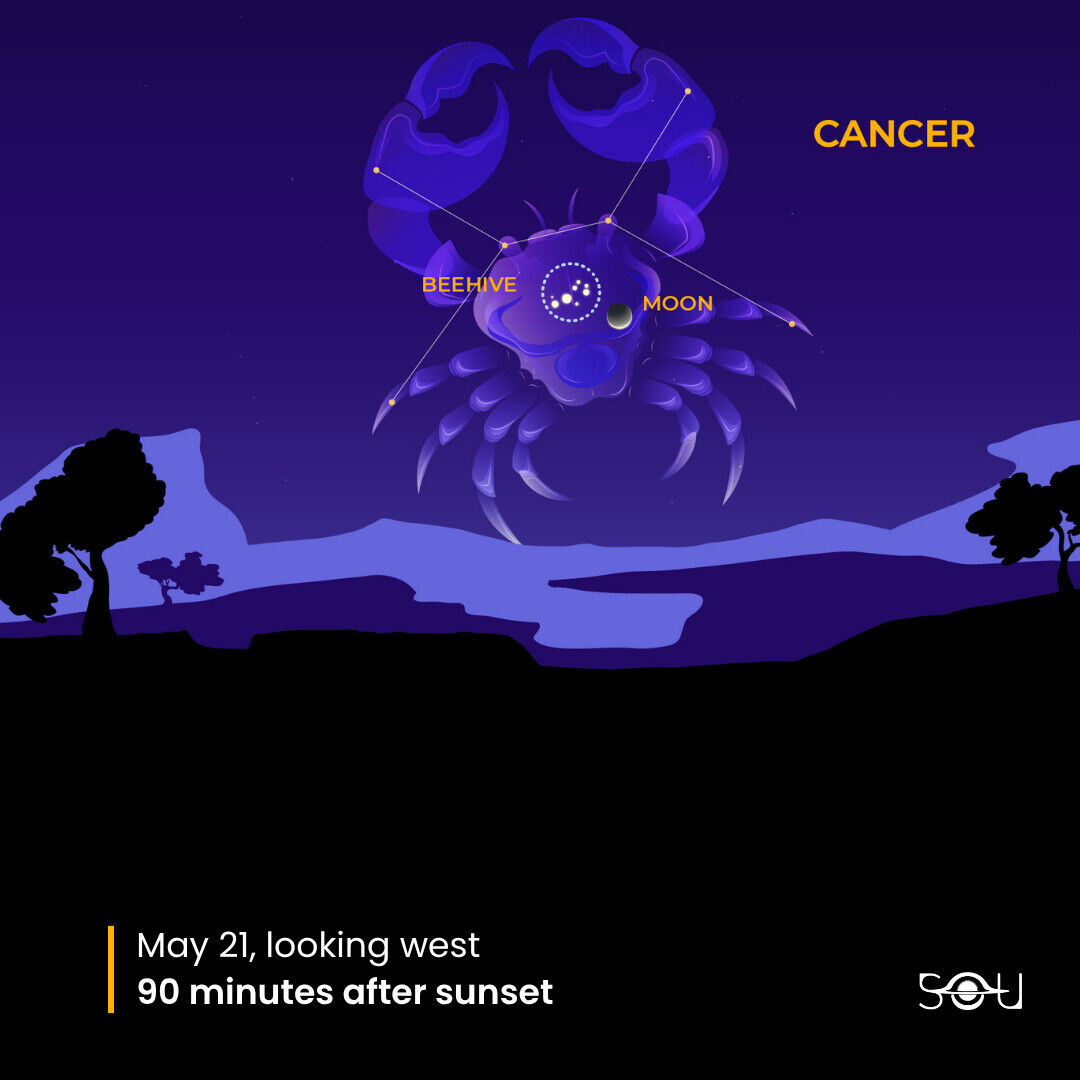
On May 21, the Moon moves east of Jupiter and approaches the Beehive Cluster, one of the loveliest open star clusters in the spring sky.
The Beehive Cluster, also known as Messier 44, lies in the constellation Cancer. Under dark skies, it can appear as a faint misty patch to the naked eye. Through binoculars, that haze breaks apart into dozens of individual stars, scattered like sparks across the field of view.
The Moon will be a thicker crescent by now, bright enough to wash out some of the cluster’s fainter stars. Still, the pairing is worth looking for, especially with binoculars. The Moon can act as a guide, helping casual observers find a deep-sky object they might otherwise miss.
For Northern Hemisphere observers, Cancer is better placed in the western evening sky. From the Southern Hemisphere, the constellation sits lower toward the northwestern sky, but the cluster remains accessible from many locations.
May 22 — The Moon Enters Leo
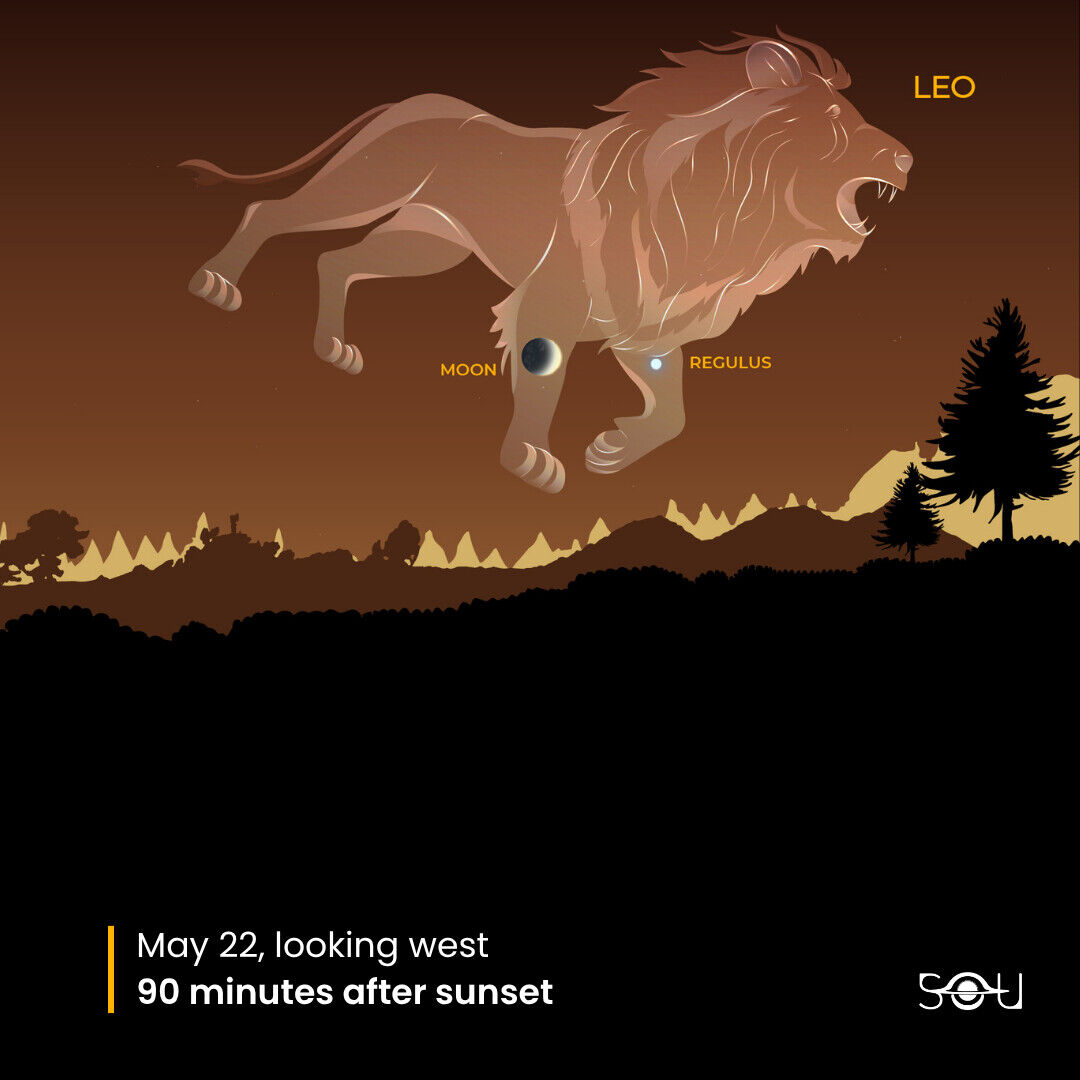
By May 22, the Moon has moved into Leo, one of the signature constellations of the northern spring sky.
Leo is easy to recognize once you know its shape. Its brightest star, Regulus, marks the heart of the Lion, while a curved pattern of stars known as the Sickle forms the Lion’s head and mane. Farther east lies Denebola, marking the Lion’s tail.
The Moon will be bright enough to mute some of Leo’s fainter stars, but Regulus should still be easy to find nearby. For Northern Hemisphere observers, Leo stands well placed after sunset. From the Southern Hemisphere, it appears lower in the northern sky, but remains visible from many latitudes.
This is a good evening to use the Moon as a signpost. Once you locate it, look around for Regulus and the Sickle, then watch how the Moon’s position shifts again by the following night.
May 23 — First Quarter Moon
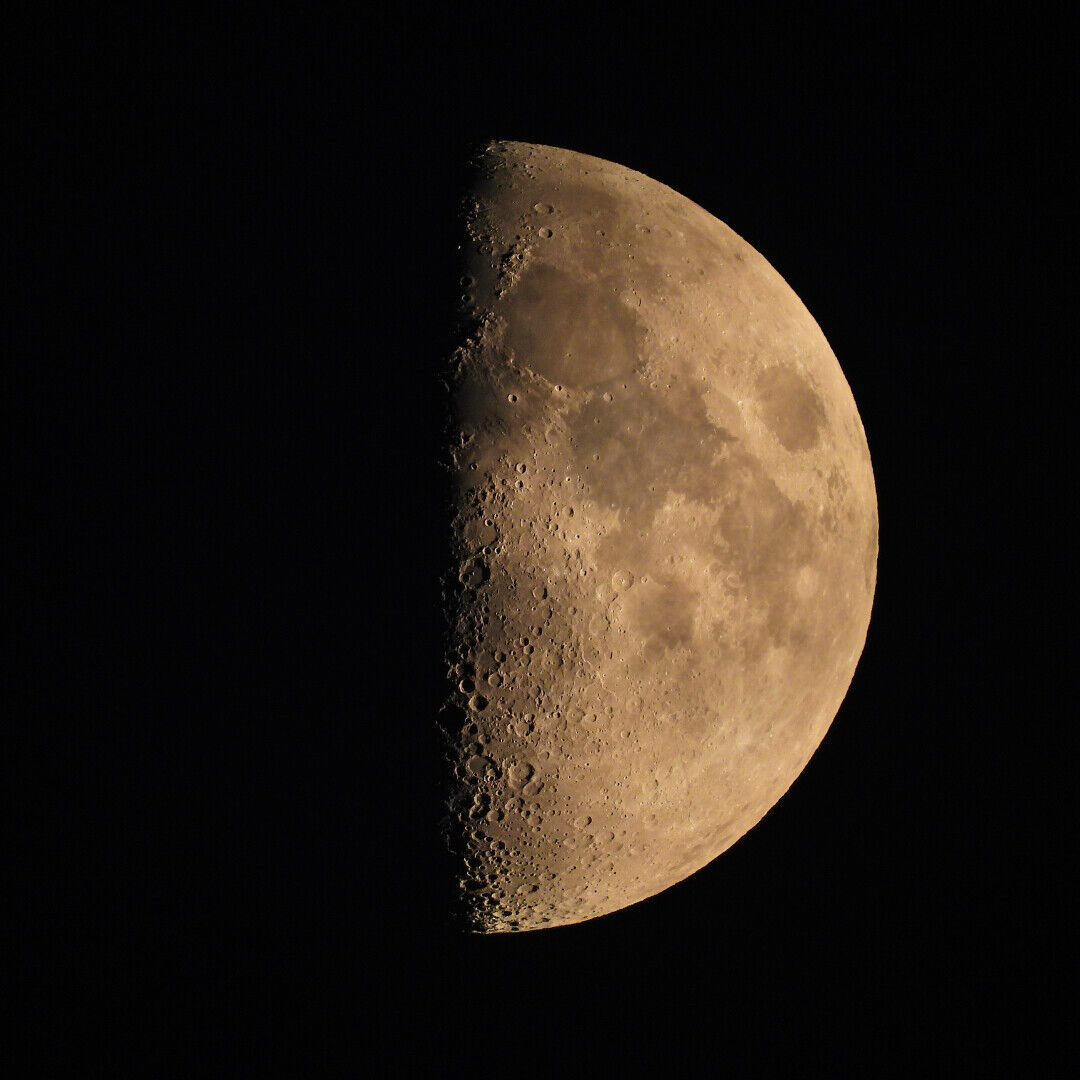
The Moon reaches first quarter on May 23 at 11:11 UTC. At this phase, the Moon appears half-lit, rises around midday, and remains visible through the evening before setting around midnight.
This is one of the best lunar phases for binoculars or a small telescope. The boundary between lunar day and night, called the terminator, cuts across the Moon and throws long shadows across craters, mountains, and ridges. These shadows make the lunar surface look especially dramatic.
Next week, the Moon grows toward full phase, passing Spica before May ends with a rare Blue Micromoon near Antares.